
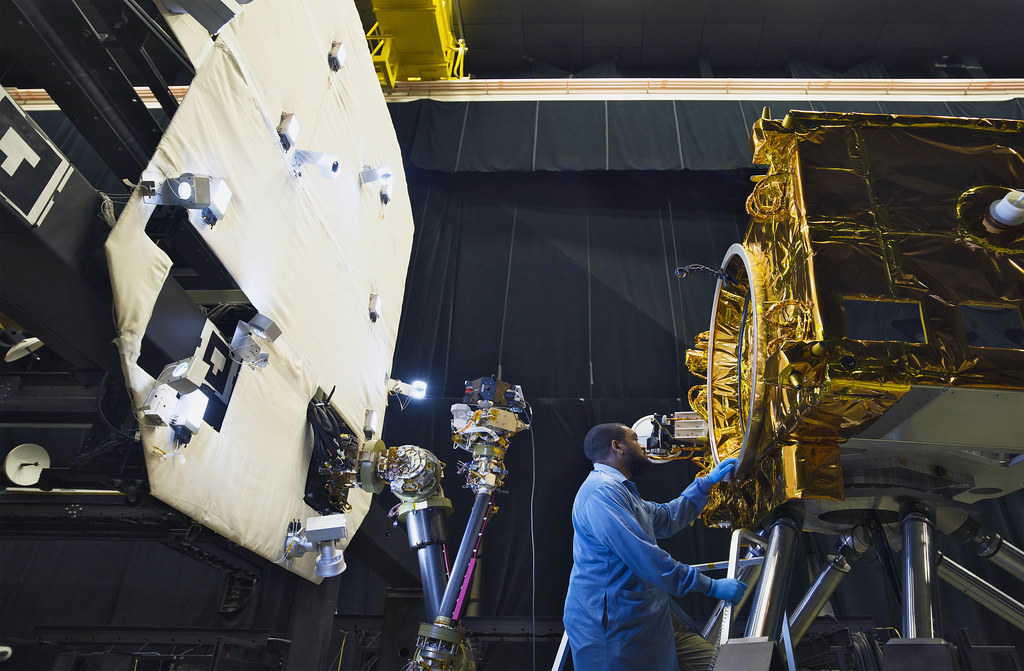
Satellite servicing technology is set to advance significantly following Cosmoserve’s recent $6 million seed funding. This investment aims to enhance capabilities in satellite maintenance and servicing.
What is Satellite Servicing Technology?
Satellite servicing technology refers to a set of innovative practices designed to extend the life and enhance the functionality of satellites already in orbit. This field encompasses a variety of operations, including refueling, repair, and upgrades, allowing satellites to remain operational for longer periods.
As space becomes increasingly crowded and the demand for satellite services grows, the importance of this technology is more pronounced than ever. Key developments in satellite servicing technology aim to:
- Reduce the costs associated with launching new satellites.
- Minimize space debris by repairing existing satellites instead of replacing them.
- Facilitate advanced missions that require on-orbit assembly and maintenance.
These advancements are crucial for sustaining the satellite ecosystem and ensuring continued access to vital data and communication services.
The Importance of Satellite Maintenance
The importance of satellite maintenance has never been more critical as the reliance on satellite technology grows. With the increasing number of satellites in orbit, ensuring their functionality and longevity is paramount. Satellite servicing technology offers a solution to extend the lifespan of these assets, reducing the need for costly replacements.
Key benefits of satellite maintenance include:
- Cost Efficiency: Repairing and upgrading existing satellites can be more economical than launching new ones.
- Resource Optimization: Servicing missions can optimize the use of available resources in space.
- Environmental Considerations: Reducing space debris by servicing rather than discarding defunct satellites.
As companies like Cosmoserve secure funding to enhance satellite servicing technology, the future of satellite maintenance looks promising and essential for sustainable space operations.
Cosmoserve’s Vision for the Future
Cosmoserve is at the forefront of innovation in satellite servicing technology, aiming to revolutionize how satellites are maintained and upgraded. With their recent $6 million seed funding, the company is set to expand its research and development efforts significantly.
The vision for the future includes:
- Autonomous Systems: Developing robots capable of performing servicing tasks without human intervention.
- Life Extension: Enhancing the operational lifespan of satellites through regular maintenance.
- Cost Efficiency: Reducing expenses associated with launching new satellites by repairing existing ones.
- Collaboration: Partnering with other space organizations to share knowledge and resources.
Cosmoserve believes that their advancements in satellite servicing technology will not only benefit commercial enterprises but also enhance space exploration efforts globally.
Funding Impact on Space Startups
The recent funding boost has significant implications for space startups, particularly in the realm of satellite servicing technology. With Cosmoserve securing $6 million in seed funding, opportunities arise for innovation and development in the sector. This influx of capital not only allows companies to enhance their technical capabilities but also attracts talent eager to explore advanced solutions in satellite maintenance.
Investors are increasingly recognizing the potential return on investment in the growing space economy. Startups focusing on satellite servicing can develop cutting-edge technologies that address the challenges of aging satellites and the increasing demand for orbital services. The ripple effect of this funding could lead to:
- Accelerated research and development.
- Partnerships with established aerospace companies.
- Increased competition driving innovation.
As funding continues to flow, the future of satellite servicing technology looks promising.
Challenges in Satellite Servicing
Despite the promising advancements in satellite servicing technology, several challenges remain that could hinder its widespread adoption. One major obstacle is the technical complexity involved in executing repairs and upgrades in space, where conditions are unpredictable and environments are harsh.
Additionally, there are significant financial implications; the costs associated with developing and deploying servicing missions can be substantial. This could deter potential investors and limit the growth of startups in this sector.
Regulatory hurdles also pose a challenge, as the international nature of space operations requires coordination among various countries and organizations. Ensuring compliance with existing space laws while fostering innovation is a delicate balance.
Furthermore, there is a need for public awareness and acceptance of satellite servicing technology, which remains low among the general population.
Innovations in Space Technology
Recent developments in satellite servicing technology have revolutionized the way we approach space missions. Various innovations have emerged, enhancing capabilities and extending the life of satellites in orbit.
Key advancements include:
- Robotic Refueling: Automated systems are now capable of refueling satellites, reducing the need for costly replacements.
- In-Orbit Repairs: Technologies enabling repairs on malfunctioning satellites help maintain critical services, particularly in communication and Earth observation.
- Modular Satellites: The design of modular components allows for easier upgrades and repairs, fostering a more sustainable approach to satellite management.
These innovations not only enhance operational efficiency but also underscore the potential of satellite servicing technology in ensuring the longevity of vital space infrastructure.
The Role of AI in Satellite Operations
The integration of artificial intelligence (AI) in satellite operations is transforming the landscape of satellite servicing technology. AI systems are increasingly being employed to enhance the efficiency and effectiveness of satellite maintenance and repair. Key roles of AI in this domain include:
- Predictive Analytics: AI algorithms can analyze data to predict potential failures, allowing for proactive maintenance.
- Autonomous Navigation: AI enables satellites to navigate and adjust their orbits without human intervention, optimizing performance.
- Data Processing: AI enhances the ability to process vast amounts of data collected by satellites, improving decision-making.
As companies like Cosmoserve continue to innovate, the role of AI will only grow, making satellite operations more reliable and sustainable in the long term.
By NASA Goddard Photo and Video via Openverse
Where this came from
You might also like
AI Shopping Through Text Messages: Easy, Proven Way to Buy · Is Earth Defense Force 6 the Best Game of 2027? · ColorOS 17 Update: Best Proven Features for OPPO F35 Pro