
AI models private data can pose significant risks if not handled properly. In this article, I share my experiences and lessons learned about the importance of safeguarding sensitive information.
Understanding AI Models and Data Privacy
As artificial intelligence continues to evolve, understanding the relationship between AI models and data privacy becomes increasingly crucial. Many organizations are eager to leverage AI capabilities, but they often overlook the importance of protecting private data. The integration of AI models into business processes can lead to significant advancements, yet it also raises serious concerns regarding data security.
When deploying AI models, it is essential to recognize the following key points:
- Data Collection Practices: Ensure that data collection methods comply with privacy regulations and ethical standards.
- Data Minimization: Only collect data that is necessary for the AI model to function effectively.
- Transparency: Maintain transparency with users about how their data will be used and stored.
- Secure Data Storage: Implement robust security measures to protect private data from unauthorized access.
- Regular Audits: Conduct regular audits of AI models and their data handling practices to ensure compliance.
By avoiding common mistakes and prioritizing data privacy, organizations can harness the full potential of AI models while safeguarding sensitive information.
The Risks of Sharing Private Data with AI
As AI technology continues to advance, the risks of sharing private data with AI models become increasingly apparent. Individuals and organizations must be aware of the potential consequences of their data-sharing practices. Here are some key risks to consider:
- Data Breaches: When private data is shared with AI models, there is always a risk of it being compromised. Cybersecurity threats can lead to significant breaches, exposing sensitive information.
- Loss of Control: Once private data is shared, users may lose control over how it is used. AI models may analyze or manipulate the data in ways that were not intended or agreed upon.
- Bias and Discrimination: AI models trained on flawed or biased data can perpetuate discrimination. Sharing private data can inadvertently contribute to this issue, impacting vulnerable groups.
- Legal Ramifications: Sharing private data without proper consent can lead to legal issues. Organizations may face penalties for violating data protection regulations.
- Reputation Damage: If an organization is found to be mishandling private data, it can suffer irreparable harm to its reputation and trustworthiness.
Understanding these risks is crucial for making informed decisions about sharing private data with AI models.
Best Practices for Handling AI Models Private Data
When dealing with AI models private data, it is crucial to adopt best practices that safeguard sensitive information. Implementing these strategies can significantly reduce the risks associated with data misuse and enhance privacy protection.
- Data Minimization: Only collect and retain data that is absolutely necessary for the AI model’s functionality. This reduces exposure and potential vulnerabilities.
- Anonymization: Remove personally identifiable information (PII) from datasets. Techniques such as encryption and hashing can help protect data while still allowing for valuable insights to be drawn.
- Access Controls: Limit access to private data to authorized personnel only. Implement role-based access controls to ensure that team members can only view the data they need for their specific tasks.
- Regular Audits: Conduct periodic reviews of data access logs and usage patterns. This helps identify any unauthorized access or anomalies in data handling.
- Compliance: Stay informed about relevant laws and regulations regarding data privacy and ensure that all practices align with legal requirements.
By following these best practices, organizations can effectively manage AI models private data and mitigate the potential risks associated with its use.
Real-Life Consequences of Data Mismanagement
Data mismanagement in AI models can lead to severe real-life consequences that extend beyond theoretical risks. When private data is mishandled, individuals and organizations face potential legal repercussions, financial losses, and damage to their reputations.
Some of the most significant consequences include:
- Legal ramifications: Organizations that fail to comply with data protection regulations, such as GDPR or CCPA, may face hefty fines and legal actions.
- Identity theft: Inadequate data security measures can lead to unauthorized access, resulting in personal information being exploited for fraudulent activities.
- Loss of customer trust: When clients discover their private data has been compromised, they may choose to sever ties with the organization, leading to long-term financial impacts.
- Operational disruptions: Recovering from data breaches can divert resources and attention away from core business activities, hindering growth and innovation.
Ultimately, the mistakes made in managing AI models private data can have far-reaching effects. It is crucial for organizations to implement strict protocols and educate their teams to mitigate these risks effectively.
Future Trends in AI and Data Security
As we look ahead, the intersection of AI models and private data continues to evolve, raising important questions about security and ethics. Emerging trends indicate that organizations will increasingly adopt robust frameworks to protect sensitive information.
One significant trend is the integration of privacy-preserving technologies. These innovations, such as differential privacy and federated learning, allow AI models to learn from data without directly accessing private information, thus minimizing risks associated with data exposure.
Additionally, there is a growing emphasis on regulatory compliance. As laws such as the General Data Protection Regulation (GDPR) and the California Consumer Privacy Act (CCPA) gain traction, businesses will need to ensure that their AI practices align with these regulations to avoid hefty penalties.
Moreover, the concept of data minimization is gaining momentum. Companies are beginning to realize that they don’t need to collect extensive private data for AI models to function effectively. By adopting practices that limit data collection to only what is necessary, organizations can enhance security and build consumer trust.
In conclusion, the future of AI models private data management lies in balancing innovation with ethical responsibility, ensuring that advancements do not come at the cost of personal privacy.
One of the biggest pitfalls in handling AI models private data is neglecting to implement robust encryption methods. Additionally, failing to regularly audit access to AI models private data can lead to severe security breaches.
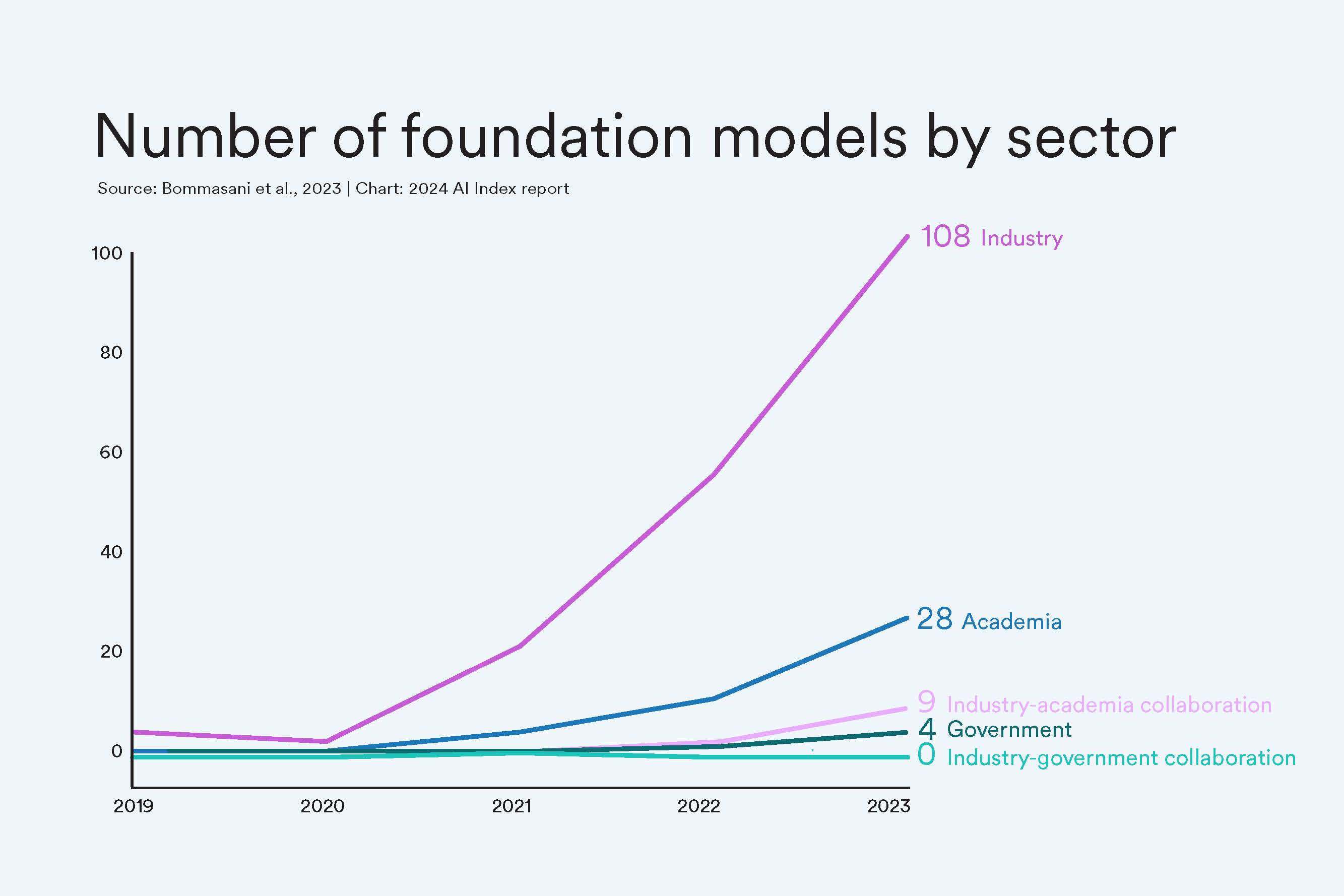
By Stanford Institute for Human-Centered Artificial Intelligence (permission obtained by email from the AI index research manager) via Openverse
References
You might also like
Shenzhou 24 Launch: Proven Success for Manned Spaceflight · OnePlus 17 display: Best proven features and specs revealed · Gnashbash Birthday Celebration: The Best Proven Experience