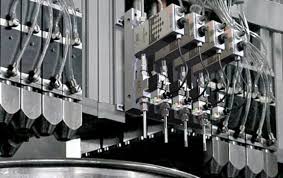
CNC machining plays a critical role in modern manufacturing by delivering precise, repeatable, and efficient production processes. As industries continue to demand faster turnaround times and higher-quality products, manufacturers need smarter tools to improve machining performance. CAM software helps optimize CNC operations by automating machining processes, improving accuracy, and increasing overall production efficiency.
By integrating design and manufacturing workflows, CAM software allows businesses to reduce errors, improve machine utilization, and streamline production planning.
Understanding the Role of CAM Software
CAM, or Computer-Aided Manufacturing, uses digital design data to generate machine instructions for CNC equipment. Instead of relying on manual programming, manufacturers can automate machining operations using accurate digital models.
Automated Toolpath Generation
One of the key advantages of CAM software is its ability to automatically create efficient toolpaths. Optimized machining paths help reduce unnecessary machine movements, shorten cycle times, and improve cutting performance.
Improved Machining Accuracy
Manual programming increases the risk of human error, especially for complex parts. CAM software helps ensure consistent machining precision by generating accurate CNC instructions directly from approved CAD designs.
Reducing Production Time and Costs
Manufacturers constantly look for ways to improve productivity while lowering operational expenses. CAM software supports these goals by improving machining efficiency and reducing wasted resources.
Faster Setup and Programming
Automated machining processes reduce the time required to prepare CNC programs. Engineers can quickly update machining instructions when design modifications occur, helping accelerate production schedules.
Reduced Material Waste
Optimized cutting strategies improve material usage and reduce scrap production. Efficient machining also helps extend tool life, lowering maintenance and replacement costs over time.
In many manufacturing environments, combining CAM workflows with SolidWorks simulation tools allows engineers to evaluate product performance and machining feasibility before production begins. Virtual testing helps identify potential manufacturing challenges early, reducing costly errors during actual machining operations.
Improving Collaboration Between Engineering and Production
Strong communication between design and manufacturing teams is essential for maintaining production efficiency.
Consistent Design Data
CAM software works directly with CAD models, ensuring manufacturing teams always use updated design information. This reduces confusion caused by outdated files or manual data transfers.
Better Workflow Coordination
Integrated systems help engineering and production teams collaborate more effectively throughout the product development process. Faster communication and accurate machining data contribute to smoother operations and improved delivery timelines.
Businesses looking for reliable engineering and manufacturing solutions often work with experienced providers such as SolidWorks Vietnam to improve CAD/CAM implementation and optimize CNC machining workflows. Access to technical expertise and professional support can help manufacturers maximize the value of their engineering systems.
Supporting Smarter CNC Manufacturing
CAM software continues to transform CNC machining by improving precision, reducing production time, and enhancing operational efficiency. With automated programming, optimized toolpaths, and better integration between design and manufacturing, businesses can improve productivity while maintaining high product quality. Manufacturers that adopt modern CAM solutions are better prepared to meet growing industry demands and remain competitive in today’s advanced manufacturing environment.