
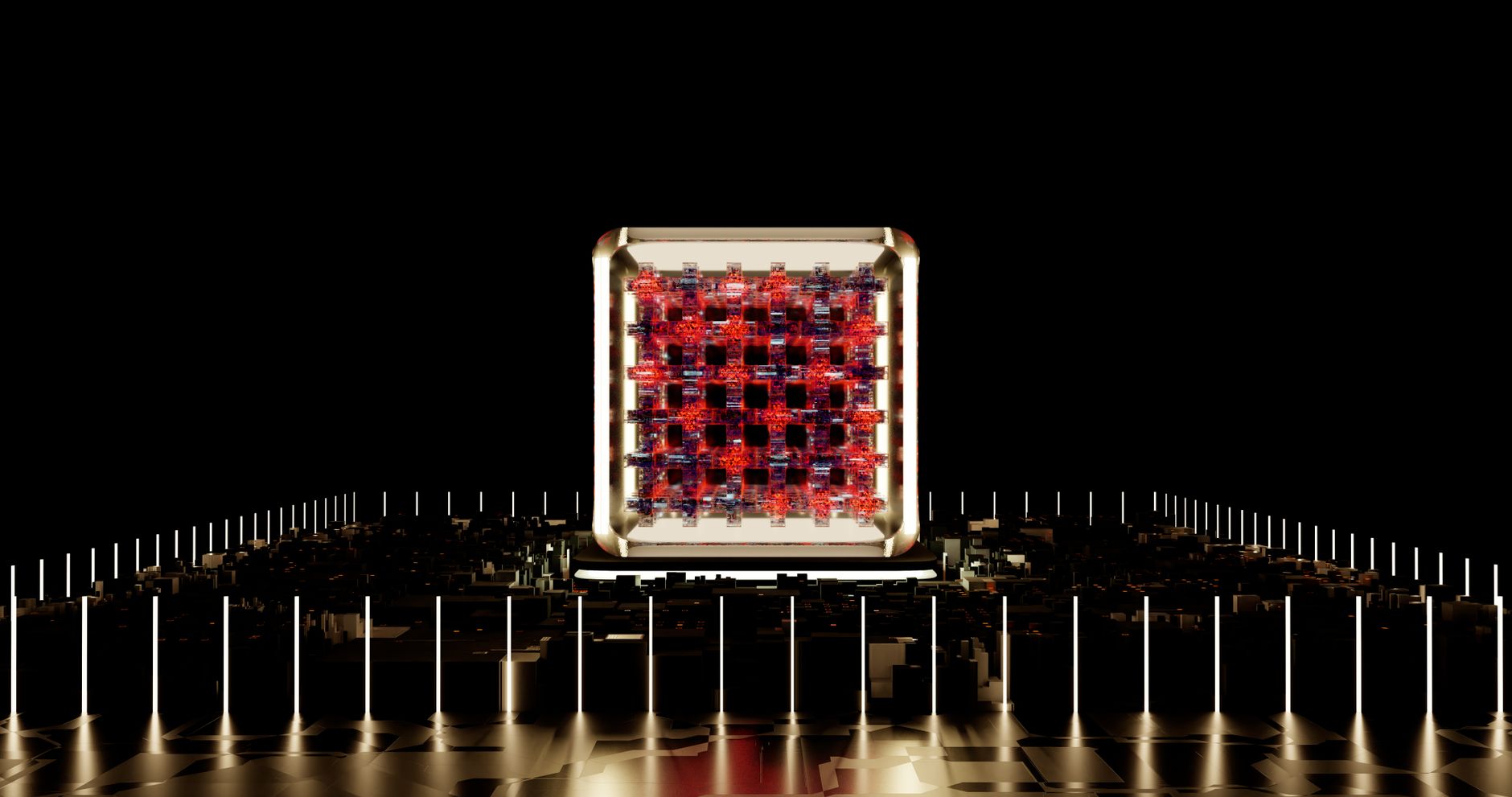
The quantum computer platform is set to revolutionize technology development. IBM, Fermilab, and NVIDIA have announced plans for a new co-design platform to accelerate next-generation quantum computers.
What is the Quantum Computer Platform?
The quantum computer platform represents a cutting-edge arena in computational technology, where traditional computing paradigms are challenged by the principles of quantum mechanics. In essence, this platform integrates quantum bits, or qubits, which can exist in multiple states simultaneously, allowing for unprecedented processing power and efficiency.
Major players in the technology sector, such as IBM, Fermilab, and NVIDIA, are collaborating to enhance this domain. Their joint effort aims to create a co-design platform that not only accelerates the development of modular quantum computers but also addresses critical challenges in scaling and performance.
The significance of a robust quantum computer platform lies in its potential applications across various fields, including:
- Cryptography: Enhancing security protocols.
- Material Science: Simulating complex molecular structures.
- Artificial Intelligence: Improving machine learning algorithms.
As research and development progress, the implications of a well-structured quantum computer platform could revolutionize industries, promising solutions to problems previously deemed intractable.
Key Players in Quantum Computing
The landscape of quantum computing is rapidly evolving, with several key players driving innovation in the quantum computer platform space. These organizations are not only developing hardware but also creating software ecosystems to support the next generation of quantum technologies.
IBM has long been a frontrunner in the field, offering its IBM Quantum Experience, which allows researchers and developers to access quantum systems via the cloud. Their focus on modularity in quantum systems aims to enhance scalability and efficiency.
Fermilab contributes its expertise in particle physics to the development of quantum algorithms that can solve complex problems across various scientific domains. Their collaboration with other institutions emphasizes the importance of interdisciplinary approaches in advancing quantum technologies.
NVIDIA is leveraging its prowess in graphics processing to provide powerful simulation tools that support the development of quantum software. Their work on quantum artificial intelligence demonstrates the potential applications of quantum computing in real-world scenarios.
These organizations, among others, are pivotal in establishing a robust quantum computer platform that will enable breakthroughs in computing power and address challenges that classical computers cannot solve.
Benefits of Modular Quantum Computers
Modular quantum computers offer several significant benefits that enhance their appeal in the rapidly evolving field of quantum computing. One of the primary advantages is their scalability. Unlike traditional quantum systems, which often require extensive reconfiguration for upgrades, a modular quantum computer platform allows for easier integration of new components, enabling developers to expand capabilities without overhauling the entire system.
Another important benefit is flexibility. Modular designs enable researchers and engineers to customize their systems according to specific needs or applications, facilitating advancements in various fields such as cryptography and materials science. This adaptability fosters innovation, as different modular components can be combined or swapped to optimize performance.
Additionally, modular quantum computers can enhance fault tolerance. By isolating qubits into distinct modules, the impact of errors can be minimized, leading to more reliable computations. As a result, the development cycle can accelerate, allowing for quicker iterations and improvements in algorithms.
In summary, the benefits of modular quantum computers, including scalability, flexibility, and enhanced fault tolerance, position them as a promising avenue for future research and application in the field of quantum computing.
Recent Developments in Quantum Technology
Recent advancements in quantum technology have set the stage for a transformative period in computing. Major players such as IBM, Fermilab, and NVIDIA have recently announced plans for a new co-design platform aimed at accelerating the development of next-generation modular quantum computers. This collaboration highlights a growing trend towards the integration of various technologies to enhance quantum computing capabilities.
The new quantum computer platform is expected to leverage the strengths of each organization involved, pooling resources and expertise to tackle complex challenges in quantum hardware and software development. By focusing on modular designs, this initiative promises to create more flexible and scalable quantum systems, making it easier for researchers and developers to innovate.
Key features of the co-design platform include:
- Enhanced collaboration between hardware and software teams
- Improved algorithms tailored for modular architectures
- Accelerated testing and validation processes
As these developments unfold, the quantum computer platform is poised to revolutionize industries ranging from cryptography to drug discovery, paving the way for significant breakthroughs in computational science.
Future of Quantum Computing
The future of quantum computer platforms looks promising as industry leaders continue to invest in innovative approaches to enhance performance and accessibility. Recent announcements from major players like IBM, Fermilab, and NVIDIA highlight a collaborative effort to establish a new co-design platform aimed at accelerating the development of next-generation, modular quantum computers.
This initiative underscores the importance of collaboration in advancing quantum technologies. By pooling resources and expertise, these organizations aim to overcome existing challenges in scalability and integration. As research progresses, we can expect significant improvements in computational speed and efficiency, which are crucial for practical applications across various fields.
Furthermore, the shift towards modular designs allows for greater flexibility in quantum systems, enabling researchers to experiment with different configurations and components. This adaptability could lead to breakthroughs in areas such as cryptography, materials science, and complex system simulations.
As the landscape of quantum computing evolves, it is clear that a robust quantum computer platform will play a critical role in realizing the full potential of this transformative technology, paving the way for applications that were previously thought to be unattainable.
Conclusion: The Impact of New Platforms
As the landscape of quantum computing continues to evolve, the emergence of robust quantum computer platforms signifies a pivotal moment in technology. The collaboration between major players like IBM, Fermilab, and NVIDIA to create a co-design platform illustrates the industry’s commitment to accelerating the development of next-generation modular quantum computers.
The impact of these new platforms is profound, as they promise to streamline the integration of hardware and software, enhancing the overall efficiency of quantum systems. This synergy not only boosts computational power but also opens avenues for solving complex problems that were previously deemed insurmountable.
Moreover, the focus on modular designs allows for greater flexibility and scalability. As developers can customize components according to specific needs, the potential applications for quantum computing expand exponentially, impacting various fields such as pharmaceuticals, finance, and materials science.
In conclusion, the advent of innovative quantum computer platforms is not merely a technical advancement; it represents a transformative shift that will redefine how we approach computation and problem-solving in the coming years. These developments are setting the stage for a future where quantum computing is accessible, practical, and instrumental in driving forward scientific and technological progress.
To successfully navigate the complexities of a quantum computer platform, developers must prioritize scalability and robustness in their strategies. Additionally, integrating machine learning techniques with a quantum computer platform can significantly enhance problem-solving capabilities.
Photo by Pachon in Motion on Pexels


