
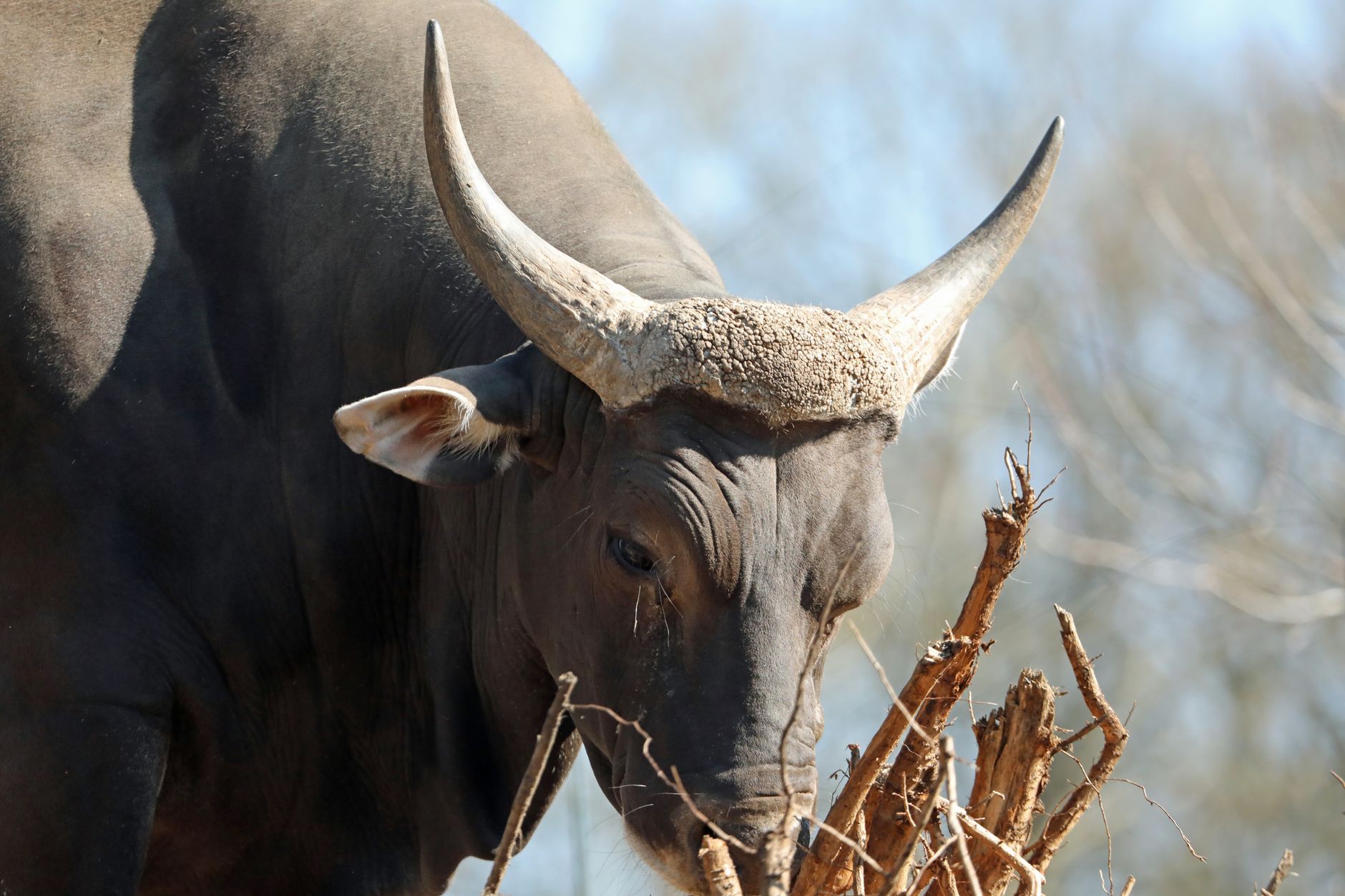
The Beefalo genome study has shown that 39 of the 47 registered Beefalo carry no detectable bison ancestry. This finding raises questions about the genetic history of this hybrid breed.
Introduction to Beefalo
The Beefalo genome study has unveiled surprising insights into the genetic lineage of this hybrid breed. Beefalo, a cross between domestic cattle and bison, was created to combine the hardiness of bison with the productivity of cattle. However, recent research indicates that the genetic contribution of bison may not be as prominent as previously believed.
In a groundbreaking examination, thirty-nine out of the forty-seven registered Beefalo whose genomes were sequenced showed no detectable bison ancestry. This finding raises intriguing questions about the true nature of the breed’s lineage. Among these Beefalo is the famous foundation bull, sold for a staggering $2.5 million in 1975, whose pedigree claimed he was over a third bison.
The implications of the Beefalo genome study extend beyond simple curiosity; they challenge the traditional understanding of hybrid vigor in livestock breeding. As researchers continue to analyze these findings, the Beefalo may represent a fascinating case of genetic dilution rather than a robust blend of bison and cattle traits.
What is a Beefalo?
A Beefalo is a hybrid animal resulting from the crossbreeding of domestic cattle and bison. This unique mix aims to combine the desirable traits of both species, such as the hardiness and adaptability of bison with the meat quality and milk production of cattle. The result is an animal that can thrive in a variety of environments while offering potential agricultural benefits.
Originally bred in the United States in the late 20th century, Beefalos have gained attention for their potential to produce leaner meat with lower fat content compared to traditional beef. Additionally, they are known for their resistance to disease, making them an interesting option for farmers looking to diversify their livestock.
However, recent findings from a Beefalo genome study have raised questions about the true lineage of these animals. The study revealed that a significant number of Beefalo have little to no detectable bison ancestry, challenging previous assumptions about their genetic background. This has led to further investigation into the implications for breeding practices and the understanding of Beefalo’s unique characteristics.
The significance of genome sequencing
The recent Beefalo genome study has revealed significant insights into the ancestry of these hybrid animals, challenging previously held beliefs about their genetic makeup. The findings indicate that a majority of the Beefalo tested—specifically, thirty-nine out of the forty-seven registered—lack any detectable bison ancestry. This is particularly noteworthy given that one of the foundation bulls, sold for an astounding $2.5 million in 1975, was recorded as being more than a third bison in its pedigree.
This development raises important questions about the historical breeding practices and the implications for beef production and conservation efforts. The results suggest a potential divergence from traditional bison characteristics, which may influence the future of hybrid breeding programs. Furthermore, understanding the genetic basis of Beefalo can aid farmers in selecting animals for desired traits, ultimately impacting the livestock industry.
As the study continues to garner attention, the findings could reshape perceptions of Beefalo and their role in agricultural practices.
Findings of the Beefalo genome study
The findings of the Beefalo genome study reveal significant insights into the ancestry of these unique hybrids. Among the 47 registered Beefalo whose genomes were sequenced, 39 individuals demonstrated no detectable bison ancestry. This discovery challenges long-held beliefs about the genetic composition of Beefalo and raises questions about the accuracy of historical pedigrees.
One notable example is the foundation bull sold for $2.5 million in 1975, who was recorded as having over a third bison ancestry. However, the genomic analysis suggests that this pedigree may not reflect the true genetic makeup of the animal. The study emphasizes the importance of modern genomic techniques in understanding hybrid species and their lineage.
Researchers involved in the Beefalo genome study have highlighted several implications for breeding practices, conservation efforts, and the agricultural industry. As the understanding of Beefalo ancestry broadens, it may influence future breeding decisions and the management of these animals in both commercial and ecological contexts.
Implications for hybrid breeding
The recent Beefalo genome study has significant implications for hybrid breeding practices. With the revelation that thirty-nine out of the forty-seven registered Beefalo sequenced carry no detectable bison ancestry, breeders may need to reconsider their strategies for producing future hybrid animals.
This study challenges long-held assumptions about the genetic heritage of Beefalo and raises important questions regarding the authenticity of breeding programs. If many Beefalo do not possess the expected bison traits, breeders may have to adjust their selection criteria to focus more on pure beef cattle characteristics, potentially changing the direction of hybrid breeding altogether.
Moreover, the findings suggest that consumers may also want to rethink their perceptions of Beefalo products, particularly in terms of flavor and nutritional value. As the Beefalo genome study sheds light on the true ancestry of these animals, it could lead to a reevaluation of marketing strategies and consumer education efforts about this unique hybrid.
- Importance of accurate ancestry in breeding programs
- Potential redefinition of Beefalo characteristics
- Consumer perceptions and product branding
Historical context of Beefalo
The historical context of Beefalo is essential to understanding their development and the results of the Beefalo genome study. Beefalo are hybrids created from crossbreeding domestic cattle and bison, a practice that began in the 1970s. This crossbreeding aimed to combine the hardiness and adaptability of bison with the meat quality of cattle.
However, the results of the recent genome sequencing have raised questions about the true bison ancestry of these animals. Among the 47 registered Beefalo, 39 were found to carry no detectable bison ancestry. This includes the famous foundation bull, whose pedigree claimed he was more than a third bison and sold for an astonishing $2.5 million in 1975.
This revelation not only challenges previous assumptions about Beefalo but also highlights the complexities of hybrid breeding. As the Beefalo genome study continues to unfold, it may reshape the future of breeding practices and the understanding of livestock genetics.
Future research directions
Future research directions following the Beefalo genome study may focus on several key areas to deepen our understanding of hybrid genetics and improve breeding practices. Researchers are particularly interested in:
- Genomic Diversity: Investigating the genetic variability within the Beefalo population to assess how it impacts traits like disease resistance and growth rates.
- Long-term Breeding Impact: Examining the effects of selective breeding on the genetic health of Beefalo and how it relates to their bison ancestry.
- Conservation Genetics: Studying the implications of the study’s findings on conservation efforts for wild bison populations, particularly in maintaining their genetic integrity.
- Crossbreeding Potential: Exploring potential benefits and challenges of introducing additional bison genetics into Beefalo breeding programs.
- Consumer Perception: Analyzing how the findings of the Beefalo genome study influence consumer attitudes toward hybrid meats.
These research avenues could lead to enhanced agricultural practices and a better understanding of the complex relationship between Beefalo and their bison ancestry.
Conclusion on bison ancestry
The recent Beefalo genome study has provided new insights into the ancestry of these hybrid animals. It has been revealed that a significant majority of the Beefalo sequenced, specifically thirty-nine out of the forty-seven registered individuals, do not exhibit any detectable bison ancestry. This finding challenges long-held beliefs about the genetic contribution of bison to the Beefalo population.
Among the studied Beefalo was the foundation bull, who was historically marketed as being more than a third bison, yet genetic analysis indicates he lacks any measurable bison DNA. This discrepancy raises questions about the accuracy of pedigree records and how the hybridization process has been understood over time.
The implications of the Beefalo genome study are profound, as they suggest that many Beefalo may not be as closely related to bison as previously thought. Moving forward, further research is essential to clarify the genetic lineage of Beefalo and its impact on breeding practices, conservation efforts, and the understanding of hybrid animals in agriculture.
Photo by Petra Ryan on Pexels