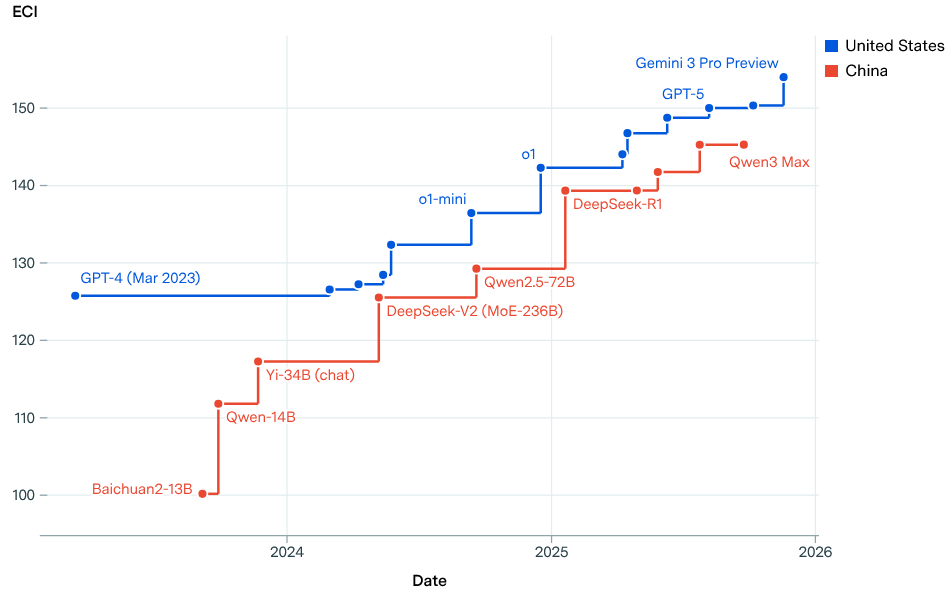
Open-Weight AI Models have emerged as a significant topic in the tech community. As their usage increases, understanding their risks becomes crucial for developers and users alike.
What Are Open-Weight AI Models?
Open-weight AI models are artificial intelligence systems that allow unrestricted access to their underlying architecture and parameters. Unlike proprietary models, which keep their weights and training data confidential, open-weight AI models promote transparency and collaboration in the research community.
The core idea behind open-weight AI models is to democratize access to powerful AI technologies. By sharing the weights and frameworks, developers and researchers can experiment, modify, and improve upon existing models without the need for extensive resources. This collaborative approach has led to innovative applications and advancements across various fields, including healthcare, finance, and environmental science.
However, the accessibility of open-weight AI models raises several concerns regarding safety and ethical implications. Some of the risks associated with these models include:
- Misuse for Malicious Purposes: Open-weight AI models can be exploited to create harmful applications, such as deepfakes or automated misinformation.
- Lack of Accountability: With open access, it can be challenging to trace responsibility when AI systems produce harmful outcomes.
- Data Privacy Issues: Open models might inadvertently expose sensitive data used during training, leading to potential breaches of privacy.
As the debate continues, the future of open-weight AI models hangs in balance, weighing the benefits of innovation against the potential risks they pose.
The Benefits of Open-Weight AI Models
Open-weight AI models have emerged as a significant innovation in the field of artificial intelligence, offering several notable benefits that can enhance research and application development. One of the primary advantages of these models is their transparency. By providing access to the underlying algorithms and parameters, developers can better understand how these systems operate, leading to more responsible use and improved safety measures.
Additionally, open-weight AI models foster collaboration within the AI community. Researchers and developers can build upon existing work, share insights, and collectively address challenges, which can accelerate advancements in the field. This collaborative spirit not only promotes innovation but also democratizes access to AI technology, making it available to a broader audience.
Another significant benefit is the potential for customization. Developers can modify open-weight models to better suit specific use cases, allowing for tailored solutions that can address unique problems across various industries. This flexibility can lead to enhanced performance and more effective applications in areas such as healthcare, finance, and environmental monitoring.
Furthermore, open-weight AI models can contribute to the development of more robust systems. By inviting scrutiny and testing from the wider community, these models can undergo rigorous evaluation, which helps in identifying potential flaws and improving overall reliability.
In summary, while there are risks associated with open-weight AI models, their benefits can lead to significant advancements in the field.
Potential Risks of Open-Weight AI Models
The advent of Open-Weight AI Models has brought numerous benefits, but they also come with potential risks that cannot be overlooked. As these models are accessible to anyone, the possibility of misuse is a significant concern. Developers and researchers must pay close attention to the following risks:
- Malicious Usage: Open-Weight AI Models can be exploited by individuals with harmful intentions. For example, they could be used to create deepfakes or automate phishing attacks, making it easier for malicious actors to deceive others.
- Bias and Discrimination: If the training data used for these models is flawed or biased, the AI can perpetuate stereotypes and discrimination. This can lead to unfair treatment in various applications, including hiring and law enforcement.
- Lack of Accountability: With the open nature of these models, it becomes challenging to hold developers accountable for the repercussions of their creations. This lack of oversight raises ethical concerns, particularly when these models are deployed in sensitive areas.
- Security Vulnerabilities: Open-Weight AI Models can be vulnerable to attacks that manipulate their outputs. This can lead to the dissemination of false information or the failure of systems reliant on these models.
Addressing these risks is essential to ensure that the benefits of Open-Weight AI Models do not come at an unacceptable cost.
How to Mitigate Risks in AI Development
As the adoption of open-weight AI models increases, it is crucial to address the associated risks. Developers and organizations can implement several strategies to mitigate potential issues, ensuring the responsible use of these powerful tools.
- Establish Clear Guidelines: Creating comprehensive guidelines for the use and deployment of open-weight AI models can help in setting boundaries around their application. This includes defining ethical considerations and acceptable use cases.
- Regular Audits: Conducting regular audits of AI models can identify vulnerabilities and biases. This involves assessing the data used for training, as well as the model’s behavior in real-world scenarios.
- Community Collaboration: Engaging with the broader AI community can foster knowledge sharing and best practices. Collaboration can lead to improved safety measures and innovative solutions to common challenges.
- Robust Testing Protocols: Implementing rigorous testing protocols before deployment is essential. This includes stress testing models against various scenarios to uncover potential weaknesses and ensure reliability.
- Transparency and Documentation: Maintaining transparency about the capabilities and limitations of open-weight AI models is vital. Proper documentation can help users understand the risks and make informed decisions.
By adopting these strategies, developers can harness the benefits of open-weight AI models while minimizing risks and promoting safer AI practices.
Case Studies of Open-Weight AI Models
Several case studies highlight the implications of using open-weight AI models, showcasing both their advantages and drawbacks. One notable example is OpenAI’s GPT-2, which was initially withheld from public release due to concerns about misuse. However, after extensive discussion and research, the model was released, leading to significant advancements in natural language processing while also raising ethical questions about its applications.
Another case study involves the use of open-weight models in healthcare. Researchers employed an open-weight AI model to analyze medical imaging data, resulting in improved diagnostic accuracy for certain conditions. While this innovation has the potential to save lives, it also poses risks regarding patient privacy and data security. The open nature of these models can make sensitive data more vulnerable to exploitation.
Additionally, the open-weight AI model from Hugging Face has gained traction in the AI community. The model has enabled developers to create diverse applications, from chatbots to content generators. However, the ease of access has also led to instances of generating harmful or misleading content, further complicating the debate on safety and ethical responsibility.
These case studies illustrate the dual-edged nature of open-weight AI models, where the potential for innovation exists alongside significant risks that must be carefully managed.
Industry Reactions to Open-Weight AI Models
The emergence of Open-Weight AI Models has sparked a wide range of reactions across various sectors. Industry experts are divided, with some welcoming the transparency these models offer, while others voice concerns over potential misuse.
Proponents argue that open-weight models democratize access to artificial intelligence, enabling smaller companies and researchers to innovate without significant financial barriers. They emphasize that such openness can foster collaboration and accelerate advancements in the field. For instance, many startups attribute their breakthroughs to the ability to build upon existing open-source models.
Conversely, critics warn of the dangers associated with unrestricted access to powerful AI tools. They highlight instances where open-weight models have been exploited for malicious purposes, including the generation of misleading information and deepfakes. This has led to calls for more stringent regulations governing the deployment and use of these technologies.
In light of these concerns, several organizations are advocating for a balanced approach. They suggest creating frameworks that allow for innovation while implementing safeguards to prevent harmful applications. Some industry leaders are proposing the establishment of ethical guidelines and best practices to ensure that the benefits of open-weight models do not come at the cost of public safety.
As discussions continue, the future of open-weight AI models remains uncertain, balancing the promise of innovation with the need for responsible stewardship.
Future Trends in AI Model Development
The landscape of AI model development is rapidly evolving, with open-weight AI models at the forefront of this transformation. As organizations increasingly adopt these models, several trends are emerging that may shape the future of AI technology.
One notable trend is the integration of enhanced safety protocols. Developers are prioritizing the creation of more robust frameworks that ensure the ethical use of open-weight AI models. This includes:
- Implementing stricter access controls
- Conducting thorough audits of AI outputs
- Encouraging collaboration among AI researchers to share best practices
Another trend is the rise of community-driven development. Open-source platforms are fostering collaborative environments where developers can collectively improve AI models, leading to greater accountability and transparency. These initiatives often result in:
- Faster identification of potential vulnerabilities
- More diverse input on ethical considerations
Moreover, as regulatory bodies begin to take notice, we may see a shift towards standardized guidelines governing the use of open-weight AI models. Such regulations could help mitigate risks while promoting innovation.
In summary, the future of AI model development is likely to be characterized by a blend of safety, collaboration, and regulation, ensuring that open-weight AI models can be utilized effectively while minimizing potential risks.
Best Practices for Safe AI Usage
As the landscape of artificial intelligence continues to evolve, ensuring the safe usage of Open-Weight AI Models is paramount. Adopting best practices can significantly mitigate the potential risks associated with these models while maximizing their benefits. Here are some essential guidelines for organizations and developers:
- Transparency: Maintaining transparency in the development and deployment of Open-Weight AI Models fosters trust. Clearly document model architecture, data sources, and training processes to ensure accountability.
- Regular Audits: Conducting regular audits of AI systems helps identify vulnerabilities and assess performance. This practice allows for ongoing improvements and risk mitigation strategies.
- User Education: Educating users about how to interact with Open-Weight AI Models is crucial. Providing training on potential misuse and ethical considerations can empower users to make informed decisions.
- Implementing Controls: Establishing strict controls and guidelines for access and usage can prevent unauthorized manipulation of AI models. This includes managing who can modify or deploy these systems.
- Collaboration with Experts: Engaging with AI ethics and safety experts can provide valuable insights. Collaborative efforts can lead to the development of robust frameworks that prioritize safety.
By following these best practices, stakeholders can harness the power of Open-Weight AI Models while minimizing associated risks, ensuring a safer and more responsible AI environment.
Photo by Google DeepMind on Pexels