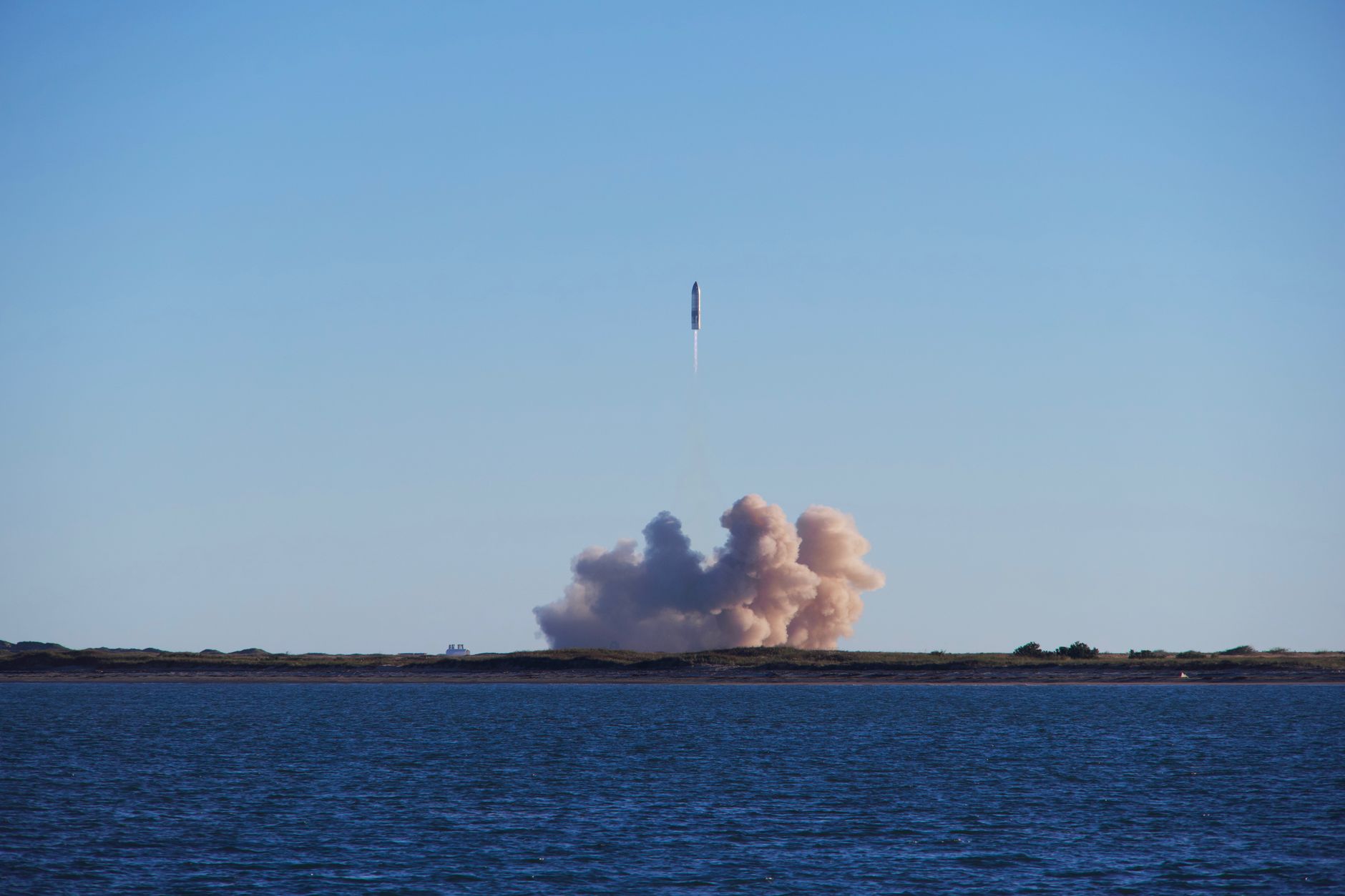
Nuri satellite launch has made headlines as it successfully deployed a record 15 satellites on October 7, showcasing advancements in space technology.
Overview of the Nuri Satellite Launch
The recent Nuri satellite launch has marked a significant milestone in space exploration. On October 7, the Nuri rocket successfully deployed a record 15 satellites into orbit, showcasing the advancements made in the country’s space capabilities.
This launch is a pivotal moment for the nation’s space program, demonstrating not only technological prowess but also the ability to collaborate on multiple satellite projects. The Nuri rocket, developed indigenously, serves as a testament to the commitment to advancing space technology and enhancing scientific research.
Among the satellites launched were:
- Earth observation satellites designed to monitor environmental changes.
- Communication satellites aimed at improving connectivity.
- Research satellites to support scientific studies and experiments.
The successful Nuri satellite launch enhances the nation’s position in the global space community and opens new avenues for international collaboration. As the focus on space exploration intensifies, this achievement serves as a foundation for future missions and innovations.
Significance of Launching 15 Satellites
The recent Nuri satellite launch marks a significant milestone in the realm of space exploration, as it successfully deployed 15 satellites into orbit. This achievement not only underscores South Korea’s growing capabilities in aerospace technology but also reflects the increasing importance of satellite deployment for various applications.
Launching multiple satellites simultaneously can enhance communication, improve weather forecasting, and facilitate Earth observation. The successful deployment of these 15 satellites demonstrates the effectiveness of the Nuri satellite launch system and its potential to support a wide range of scientific and commercial endeavors.
Among the satellites launched, several are designed for specific purposes such as:
- Earth observation: Monitoring environmental changes and natural disasters.
- Telecommunications: Enhancing connectivity and information exchange.
- Scientific research: Conducting experiments in space.
Moreover, the Nuri satellite launch signifies a step forward in South Korea’s ambitions to establish itself as a key player in the global space industry. As nations increasingly rely on satellite technology, this successful mission highlights the importance of ongoing investment in aerospace initiatives.
Technological Advances Behind Nuri
The Nuri satellite launch represents a significant milestone in space exploration, attributed to various technological advancements that have enhanced its capabilities. These innovations have played a crucial role in ensuring the successful deployment of a record 15 satellites.
One of the key technological features of the Nuri rocket is its advanced propulsion system. This system utilizes a combination of liquid fuel and cutting-edge materials, which allow for greater efficiency and reliability during the launch phase.
Additionally, the rocket is equipped with state-of-the-art navigation and control systems. These systems provide precise trajectory calculations and adjustments, enabling the Nuri to achieve its designated orbit with remarkable accuracy.
The integration of artificial intelligence into the launch process also marks a significant leap forward. This technology aids in real-time decision-making, allowing for quick responses to any unexpected challenges that may arise during the mission.
Such technological advancements not only underscore the capabilities of the Nuri satellite launch but also pave the way for future explorations and collaborations in the realm of space research.
Future Plans for Nuri and Its Satellites
The successful Nuri satellite launch has paved the way for ambitious future plans that aim to expand South Korea’s presence in space exploration. As the country continues to build on its achievements, several key initiatives are set to take shape in the coming years.
- Enhanced Satellite Capabilities: Future missions will focus on developing more advanced satellites that can perform a wider array of tasks, such as high-resolution Earth observation and communication technologies.
- International Collaboration: South Korea plans to engage in partnerships with other space-faring nations, sharing resources and expertise to enhance the capabilities of the Nuri satellite launch program.
- Research and Development: Continued investment in R&D will ensure that the Nuri launch vehicle remains at the forefront of technology, allowing for improvements in payload capacity and launch efficiency.
- Exploration Missions: Future launches may also include missions aimed at exploring the Moon and Mars, contributing to the global understanding of these celestial bodies.
With these plans, the Nuri satellite launch represents not just a milestone, but a stepping stone toward extensive advancements in space technology and exploration.
Global Impact of Nuri’s Success
The successful launch of the Nuri satellite has made a significant impact on the global landscape of space exploration. As nations race to expand their presence in orbit, the achievements of the Nuri satellite launch set a new benchmark for emerging space programs.
Countries around the world are closely observing the implications of this launch, particularly in regards to:
- International Collaboration: The Nuri satellite launch has fostered opportunities for partnerships and collaborations between nations, encouraging the sharing of knowledge and technology.
- Economic Growth: The advancements in satellite technology can lead to economic benefits, including job creation in the aerospace sector and stimulating innovation in related industries.
- Scientific Research: The data collected from Nuri’s satellites will facilitate research in various fields, from environmental monitoring to telecommunications, enhancing our understanding of the Earth and beyond.
As the Nuri satellite launch demonstrates the capabilities of its home nation, it also inspires other countries to strive for similar success in their space endeavors, solidifying its role as a key player in the global arena of space exploration.
Challenges Faced During the Launch
The Nuri satellite launch, while celebrated for its significant achievements, was not without its challenges. These obstacles tested the resilience and ingenuity of the teams involved.
Some of the key challenges faced during the launch included:
- Technical Malfunctions: Early in the preparation phase, engineers encountered unexpected technical issues with the rocket’s propulsion system, necessitating rigorous testing and modifications.
- Weather Conditions: Adverse weather conditions on the planned launch day posed a significant risk, leading to delays as the team prioritized safety over scheduling.
- Coordination of Multiple Satellites: Launching 15 satellites simultaneously required complex coordination and precise timing. Each satellite had its unique specifications and deployment strategies, complicating the mission logistics.
- Resource Allocation: Limited resources and tight budgets forced the team to prioritize critical components, sometimes sacrificing secondary objectives for the sake of mission success.
Despite these hurdles, the Nuri satellite launch emerged victorious, demonstrating the team’s dedication and advanced capabilities in space exploration.
Reactions from the Space Community
The recent Nuri satellite launch has garnered significant attention from the space community, igniting discussions about its implications for future space missions. Experts have expressed enthusiasm over the successful deployment of 15 satellites, marking a new milestone in South Korea’s space exploration efforts.
Dr. Emily Carter, a leading aerospace engineer, stated, “The Nuri satellite launch is a testament to the advancements in our technology and the ability to collaborate effectively on an international scale.” Her comments reflect a broader sentiment among scientists and engineers, who view this achievement as a pivotal moment in enhancing global satellite capabilities.
Furthermore, several space agencies around the world have acknowledged the launch’s significance. The European Space Agency tweeted, “Congratulations to the South Korean team on the Nuri satellite launch! This is a major step toward more collaborative space exploration.”
Industry analysts note that the success of the Nuri mission could inspire other countries to ramp up their satellite programs, leading to increased competition and innovation in the sector. As the world eyes South Korea’s advancements, the focus on collaborative efforts in space exploration is poised to grow.
Sources
Related stories
Honor Magic9 series: Best proven features for 2023 · Solar-Powered AI Data Centers: Proven Benefits for Space Tech · Pixel 10a price hike: Is it worth the extra cost?