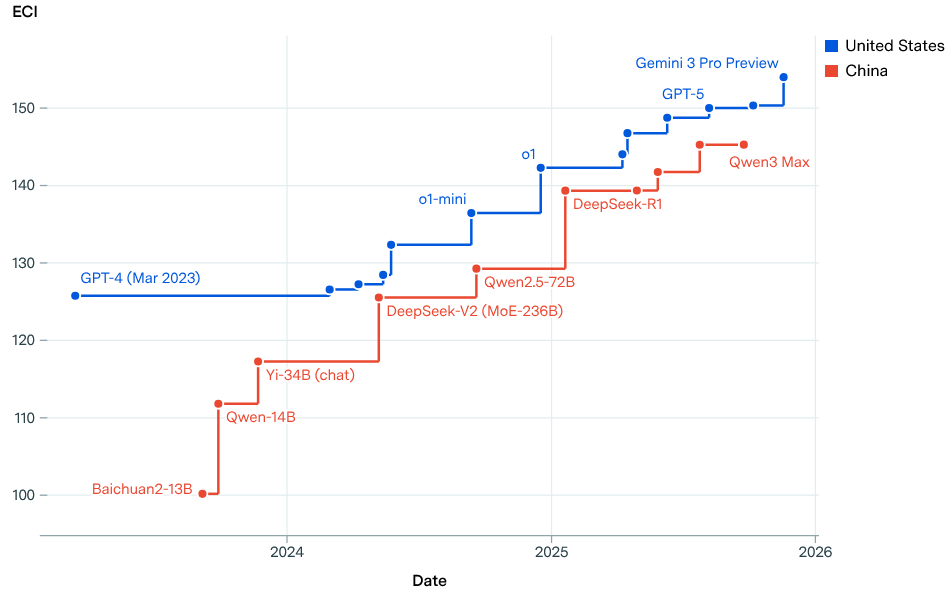
The Gemini AI model has been introduced, but access is restricted due to safety concerns. This decision has sparked discussions about the implications for AI technology.
What is the Gemini AI model?
The Gemini AI model is an advanced artificial intelligence system developed by Google, designed to enhance various applications across industries. Launched as a response to growing demands for sophisticated AI tools, Gemini integrates state-of-the-art machine learning techniques to deliver improved performance and accuracy.
One of the hallmark features of the Gemini AI model is its ability to process and analyze vast amounts of data quickly and efficiently. This capability allows users to gain insights and make informed decisions in real-time, which can be beneficial in sectors such as healthcare, finance, and education.
However, with great power comes great responsibility. Google has implemented strict access controls to the Gemini AI model, citing safety concerns. This decision aims to prevent misuse and ensure that the technology is utilized responsibly. The company is committed to ongoing testing and refinement of the model to address potential risks while maximizing its benefits.
- Enhanced Data Analysis: Offers real-time insights from large datasets.
- Industry Applications: Applicable in healthcare, finance, and education.
- Safety Measures: Limited access to mitigate risks associated with misuse.
Safety concerns surrounding Gemini AI
The rollout of the Gemini AI model has generated significant excitement, yet it has also raised important safety concerns among experts and users alike. As technology continues to advance, the implications of deploying such powerful AI systems must be carefully considered.
One of the primary concerns revolves around misinformation. The Gemini AI model, with its ability to generate content, could inadvertently create or spread false information, leading to potential societal harm. Furthermore, the risk of bias within the model is another critical issue. If the data used to train Gemini AI contains biases, the outputs may reflect and perpetuate these biases, impacting decision-making processes across various sectors.
Additionally, there are worries about privacy. Users might be apprehensive about how their data is handled by the Gemini AI model. Ensuring that user data is protected and managed responsibly is crucial for building trust in AI technologies.
To mitigate these concerns, developers must implement robust safety measures and continuously monitor the performance of the Gemini AI model. This proactive approach can help maximize its benefits while minimizing potential risks, fostering a safer environment for AI adoption.
Benefits of the Gemini AI model
The Gemini AI model presents a range of benefits that enhance its appeal in various sectors. Users can expect improved efficiency and productivity, as this advanced technology streamlines processes and reduces the time required for tasks.
Among the notable advantages of the Gemini AI model are:
- Enhanced Decision-Making: By analyzing vast amounts of data quickly, the Gemini AI model assists organizations in making informed decisions based on real-time insights.
- Personalization: This AI model can tailor experiences and recommendations to individual users, improving customer satisfaction across various platforms.
- Scalability: The Gemini AI model is designed to support growing demands, easily adapting to the needs of businesses as they expand.
- Cost Reduction: By automating routine tasks, the Gemini AI model helps companies save on operational costs, allowing them to allocate resources more effectively.
- Continuous Learning: The model utilizes ongoing data input to refine its algorithms, ensuring it stays relevant and effective over time.
Overall, the Gemini AI model not only addresses safety concerns but also offers proven benefits that can transform how organizations operate.
Future implications for AI technology
The introduction of the Gemini AI model marks a significant milestone in the evolution of artificial intelligence technology. As organizations increasingly adopt this advanced model, several future implications are emerging that could shape the landscape of AI.
One potential impact is the enhanced efficiency in various sectors. With its ability to analyze vast amounts of data quickly and accurately, the Gemini AI model could transform industries such as healthcare, finance, and education by providing tailored solutions and insights.
Furthermore, the emphasis on safety and ethical considerations in developing the Gemini AI model may lead to stricter regulations and guidelines across the AI sector. This shift could encourage companies to prioritize responsible AI deployment, fostering a safer environment for both consumers and businesses.
Additionally, as the technology matures, collaboration between AI models and human experts is likely to increase. This partnership could amplify productivity and innovation, allowing human creativity to work alongside AI capabilities.
Overall, the future implications for AI technology, particularly with the rollout of the Gemini AI model, hold promise for advancements that can significantly benefit society while addressing existing concerns regarding safety and ethical use.
By Luke Emberson via Openverse