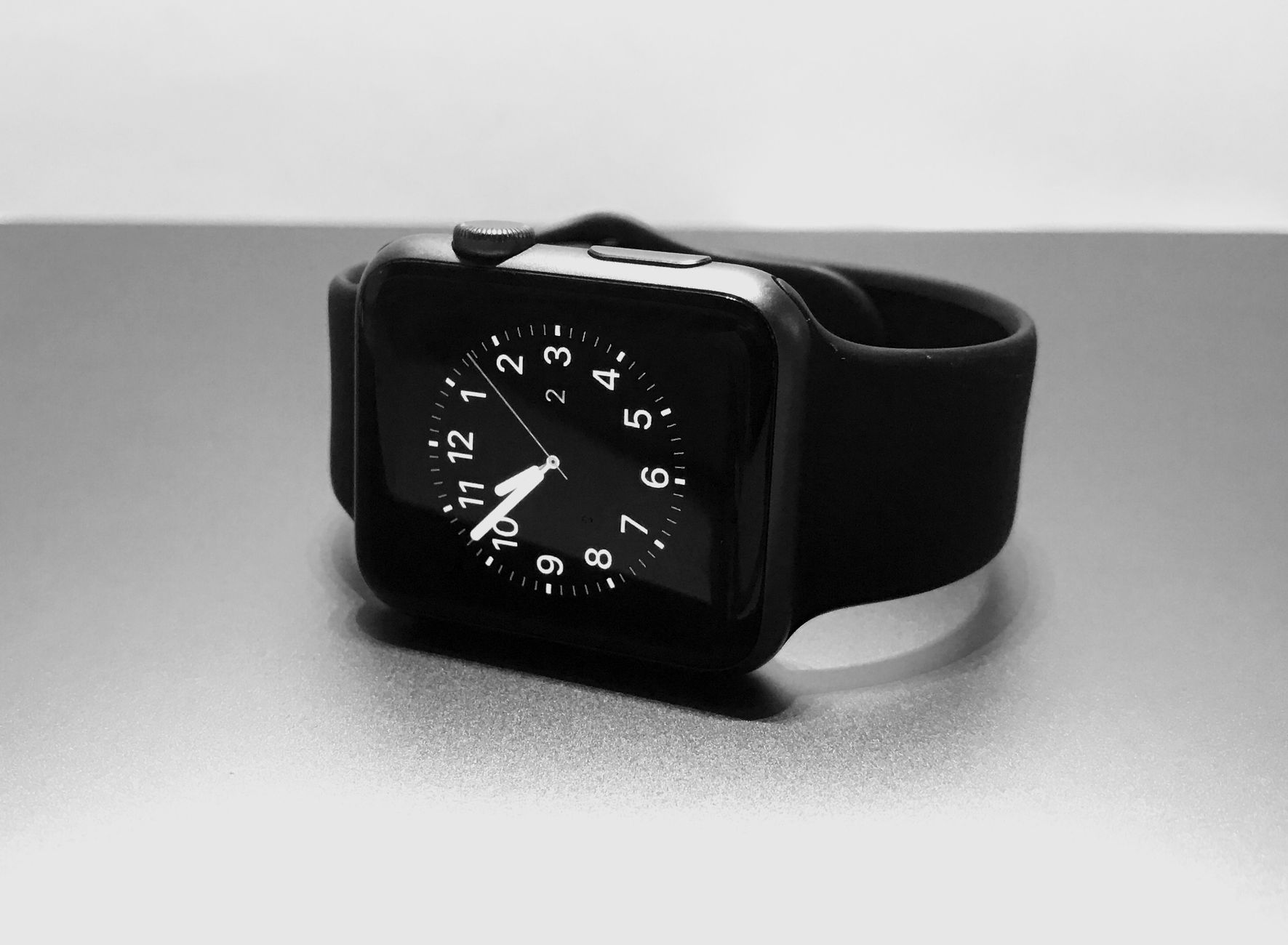
Precise clock technology is on its way to transforming how we measure time. This innovation aims to enhance accuracy and reliability in various applications, from daily life to scientific research.
What is Precise Clock Technology?
Precise clock technology represents a significant advancement in the field of timekeeping, utilizing cutting-edge methods to achieve unparalleled accuracy. This innovative technology is designed to enhance the precision of time measurement, which is crucial for various applications ranging from navigation to telecommunications.
At its core, precise clock technology relies on advanced atomic clocks that utilize the vibrations of atoms to keep time with remarkable accuracy. These atomic clocks can measure time to within billionths of a second, making them essential for scientific research and GPS systems that require exact timing.
The development of precise clock technology has led to a number of benefits:
- Improved Navigation: With accurate timekeeping, GPS systems can provide precise location data, critical for navigation in both land and air travel.
- Enhanced Telecommunications: Precise synchronization of networks ensures reliable communication, reducing latency and improving overall service quality.
- Scientific Advancements: In fields such as quantum physics and astronomy, accurate time measurement is vital for experiments and observations.
As technology continues to evolve, precise clock technology is expected to play an increasingly important role, paving the way for innovations that demand exact time measurement and synchronization across various sectors.
The Importance of Accurate Timekeeping
Accurate timekeeping is essential in today’s fast-paced world, where precision plays a crucial role in numerous aspects of daily life. From transportation systems to telecommunications, the ability to measure time with high accuracy ensures that operations run smoothly and efficiently.
One of the most significant areas impacted by precise clock technology is the global positioning system (GPS), which relies on precise time measurements to provide accurate location data. Without synchronizing clocks to within nanoseconds, GPS functionality would falter, leading to potential disruptions in navigation and logistics.
Additionally, financial markets depend heavily on precise timing for transactions. With high-frequency trading and automated systems, even the slightest delay can result in substantial losses. Accurate timekeeping allows for fair trading practices and ensures that all market participants are operating on the same timeline.
The importance of precise clock technology extends beyond commerce and navigation. In scientific research, experiments often require exact timing to ensure valid results. For instance, in fields such as physics and chemistry, the synchronization of clocks can determine the success of experiments that rely on precise measurements.
As technology advances, the demand for improved accuracy in timekeeping will only grow. Embracing and investing in precise clock technology will be vital for various industries looking to thrive in an increasingly interconnected world.
How Precise Clocks Will Change Industries
The introduction of precise clock technology is set to revolutionize various industries by enhancing efficiency and reliability. This advancement will bring about significant changes across multiple sectors, including:
- Healthcare: In medical settings, precise clock technology will ensure that time-sensitive procedures are executed flawlessly. Accurate timing can improve patient outcomes by syncing treatments and medication schedules.
- Telecommunications: The telecommunications industry will benefit from improved synchronization of networks. Precise clocks will allow for more reliable data transmission, reducing latency and enhancing user experience.
- Transportation: In the transportation sector, precise clock technology can lead to better coordination of schedules for airlines and rail services. This will minimize delays and enhance overall travel efficiency.
- Manufacturing: Precision in timing will streamline production processes. By synchronizing machinery and workflows, manufacturers can reduce waste and increase productivity.
Furthermore, the integration of precise clock technology into smart devices will pave the way for innovations in automation and IoT (Internet of Things) applications. With enhanced timekeeping, devices can communicate more effectively, leading to smarter homes and workplaces.
As industries adopt this groundbreaking technology, the impact on operational efficiency and reliability will be profound, marking a significant step forward in timekeeping.
Recent Developments in Clock Technology
Recent advancements in clock technology have paved the way for innovations that promise to enhance timekeeping accuracy significantly. Researchers and engineers are focusing on developing precise clock technology that utilizes novel methods to improve performance. Among these developments are atomic clocks that operate with unprecedented precision, often measuring time to within billionths of a second.
One noteworthy breakthrough is the integration of lasers in atomic clock designs, allowing for reduced size and increased efficiency without compromising accuracy. These advancements enable the creation of portable and cost-effective timekeeping devices, making precise clock technology more accessible to various industries.
Another area of progress is the use of advanced materials, which enhance the stability and reliability of clock mechanisms. The incorporation of quantum technology has also shown promise, potentially leading to next-generation clocks that can operate with even greater precision.
The implications of these developments extend beyond traditional timekeeping. Industries such as telecommunications, navigation, and scientific research stand to benefit immensely from the enhanced accuracy provided by precise clock technology. As these innovations continue to unfold, the future of timekeeping appears brighter, with the potential for remarkable advancements that can redefine how we perceive and measure time.
Challenges Facing Precision Timekeeping
While precise clock technology offers significant advancements in timekeeping, it faces several challenges that must be addressed to fully realize its potential. One of the primary issues is the cost of implementation. High-precision clocks often require specialized materials and advanced manufacturing techniques, which can lead to increased production costs. This can make it difficult for some industries to adopt the technology widely.
Furthermore, integration with existing systems poses another hurdle. Many current technologies rely on older clock systems, and transitioning to precise clock technology may require substantial upgrades to hardware and software. This integration process can be both time-consuming and expensive for businesses.
Another challenge is maintaining reliability in diverse environments. Precise clocks must function accurately under various conditions, including extreme temperatures and electromagnetic interference. Ensuring durability and stability remains a critical focus for developers.
Additionally, regulatory standards can complicate the adoption of new clock technologies. Different industries and countries may have varying requirements for timekeeping devices, making it essential for manufacturers to navigate a complex landscape of compliance.
Finally, as with any emerging technology, there is a learning curve associated with precise clock technology. Training personnel to utilize and maintain these advanced systems effectively is essential for maximizing their benefits.
Future of Time Measurement
The future of time measurement is poised for a transformative leap with the advent of precise clock technology. As industries increasingly rely on accuracy and synchronization, the demand for advanced timekeeping solutions has never been greater. Innovations in this field promise to enhance various sectors, including telecommunications, navigation, and scientific research.
One of the most exciting developments is the integration of quantum technologies into clock systems. These quantum clocks are anticipated to offer unprecedented levels of precision, potentially redefining how we approach time. With their ability to measure time with extreme accuracy, they could enable new applications, such as improved GPS systems and more reliable data transmission.
Another key aspect of the future of time measurement is the miniaturization of clock technology. As devices become smaller and more interconnected, having compact yet precise timekeeping mechanisms will be essential. This will not only enhance the performance of consumer electronics but also facilitate the growth of the Internet of Things (IoT), where synchronized timing is crucial for seamless operation.
Moreover, advancements in materials science are paving the way for more resilient and efficient clock components. This will lead to longer-lasting devices that require less maintenance, further solidifying the role of precise clock technology in our everyday lives.
As we look ahead, the relentless pursuit of precision in time measurement will undoubtedly shape the future landscape of various industries.
Conclusion: The Impact of Precise Clocks
In conclusion, the emergence of precise clock technology is set to revolutionize timekeeping across various sectors. As industries increasingly rely on accurate timing for operations, the advancements in clock technology promise not only enhanced precision but also improved efficiency and productivity.
The implications of this technology extend far beyond mere timekeeping. For instance, sectors such as telecommunications, aerospace, and even financial markets will benefit immensely from highly accurate clocks. These advancements facilitate better synchronization of data, leading to more reliable communication and transactions.
Moreover, the integration of precise clock technology into everyday life can lead to smarter devices that can track activities and manage schedules with unparalleled accuracy. This shift will likely result in the development of innovative applications that harness the power of precise timing.
However, challenges remain, including the need for widespread adoption and the infrastructure to support these advanced systems. As research continues and more breakthroughs are achieved, the potential for precise clocks to impact our daily lives becomes increasingly apparent.
Ultimately, as we move toward a future where precise clock technology becomes the norm, we may find ourselves better equipped to navigate the complexities of time in an ever-evolving world.
Photo by Vedant Sharma on Pexels
Where this came from
Related stories
Blaupunkt Atomik Knightz: Is It the Best Audio Device? · Agentic AI Platform: The Smart Solution for D2C Shipping · Quantum Computer Platform: Best Proven Development Strategies