Nvidia chips AI models are at the forefront of China’s most powerful artificial intelligence advancements. These chips, despite facing export bans, continue to drive innovation and capabilities in AI technology.
Understanding AI Models
In recent years, Nvidia chips have become synonymous with the rapid advancement of AI models, powering everything from autonomous vehicles to advanced language processing systems. These chips facilitate the complex computations required to train and run sophisticated AI algorithms, making them a critical component of modern technology. However, as the demand for AI capabilities grows, so does the scrutiny of the sources and components that fuel these innovations.
As countries like China strive to develop their own powerful AI models, they have turned to Nvidia’s cutting-edge chips, despite facing export bans. This reliance on Nvidia technology raises important questions about the sustainability and ethical implications of AI development worldwide. The situation highlights a broader trend where access to advanced hardware becomes a determining factor in a nation’s technological prowess.
Furthermore, as nations compete for dominance in AI, the consequences of relying on a narrow range of suppliers can be significant. The landscape of AI innovation is shaped not only by the capabilities of these chips but also by the geopolitical dynamics surrounding them. Understanding the interplay between Nvidia chips and AI models is crucial for grasping the future of technology and its global implications.
The Impact of Export Bans
The recent export bans on Nvidia chips have had significant repercussions on the development of AI models, particularly in China. As these chips are integral to the training and deployment of advanced AI systems, their inaccessibility has created a ripple effect throughout the tech industry.
Many experts argue that the restrictions aimed at curbing China’s technological advancements may inadvertently stifle innovation globally. This has led to several important developments:
- Increased Investment in Domestic Technology: China is now focusing on developing its own semiconductor technologies to fill the gap left by Nvidia’s absence. This could lead to a competitive landscape where local firms emerge as key players in AI.
- Acceleration of Alternative Solutions: Companies are exploring alternative chips and architectures for AI models, potentially leading to breakthroughs in computing technology that could rival Nvidia’s offerings.
- Geopolitical Tensions: The bans have intensified the ongoing tech war between the U.S. and China, as nations vie for dominance in the AI sector.
In conclusion, while the export bans aim to hinder China’s AI capabilities, they may inadvertently push the country towards self-sufficiency in the development of Nvidia chips and AI models.
Nvidia’s Role in AI Development
Nvidia has emerged as a pivotal player in the development of AI models, significantly influencing the landscape of artificial intelligence. The company’s chips are renowned for their ability to handle complex computations, making them ideal for training and deploying advanced AI systems.
Despite recent challenges, including export bans that have affected their availability in certain markets, Nvidia’s technology continues to power some of the most sophisticated AI models globally. This situation has sparked debate about the implications of relying heavily on a single supplier for critical technology.
Some key points regarding Nvidia’s role in AI development include:
- Performance: The architecture of Nvidia chips allows for rapid processing, essential for training deep learning models.
- Innovation: Nvidia consistently pushes the envelope with new features that enhance the efficiency of AI tasks.
- Market Influence: The company’s dominance has led to a concentration of resources and expertise, raising concerns about dependency.
As the demand for AI models continues to surge, Nvidia’s chips will remain at the forefront of this technological revolution. However, the reliance on these components poses risks that the industry must address to ensure sustainable growth and innovation.
Recent Advances in AI Technology
Recent advancements in artificial intelligence (AI) technology have been significantly influenced by the capabilities of Nvidia chips. These chips are known for their high-performance computing power, which is essential for training complex AI models. As companies strive to develop more sophisticated AI systems, the demand for these powerful processors has surged.
In particular, the integration of Nvidia chips into various applications has led to remarkable improvements in several sectors, including:
- Healthcare: Enhanced diagnostic tools and personalized treatment plans.
- Automotive: Increased efficacy in autonomous vehicle technology.
- Finance: Improved predictive analytics for market trends.
Despite their advantages, the reliance on Nvidia chips raises concerns about accessibility and ethical implications. With the recent export bans affecting certain regions, including China, the race to harness these advanced technologies has intensified. Chinese companies, in particular, are leveraging available Nvidia chips to develop some of the most powerful AI models globally.
This situation presents a paradox where the drive for innovation may inadvertently lead to a concentration of power among those who can access these vital resources, raising questions about the future direction of AI technology.
Challenges Facing AI Researchers
As AI researchers strive to push the boundaries of innovation, they face significant challenges that complicate their work with Nvidia chips and AI models. These obstacles can hinder progress and slow down the development of cutting-edge technology.
- Supply Chain Issues: The ongoing global semiconductor shortage has created a bottleneck for obtaining Nvidia chips, making it difficult for researchers to access the necessary hardware for their AI models.
- Export Regulations: Recent export bans on certain Nvidia chips to countries like China have left researchers scrambling to find alternative solutions, impacting their ability to create competitive AI systems.
- Cost Barriers: The high cost of Nvidia chips has made it challenging for smaller research institutions and startups to participate in AI development, leading to a concentration of resources in larger companies.
- Technical Complexity: The intricate architecture of Nvidia chips requires specialized knowledge to optimize their performance effectively, posing a steep learning curve for many researchers.
These challenges highlight the difficulties faced by those in the AI field as they work to harness the potential of Nvidia chips in their models, ultimately steering the direction of AI development in unintended ways.
Future of AI in China
The future of AI in China is increasingly intertwined with the availability and capabilities of Nvidia chips. Despite ongoing export bans, Chinese researchers have managed to leverage these advanced semiconductors to develop some of the most powerful AI models in the world. The reliance on Nvidia technology raises important questions about the sustainability of these innovations.
While China has made significant strides in AI research, the heavy dependence on Nvidia chips could pose potential risks. The challenges stem from several factors:
- Supply Chain Vulnerability: Ongoing geopolitical tensions may disrupt access to essential technology.
- Innovation Stagnation: Heavy reliance on foreign technology may limit the development of indigenous alternatives.
- Intellectual Property Concerns: Export bans highlight the complexities of intellectual property in the global AI landscape.
Moreover, the international community remains vigilant about the implications of China’s AI advancements. As the nation seeks to position itself as a leader in AI, the reliance on Nvidia chips for cutting-edge models may not be a sustainable path forward. The future of AI in China may depend on the ability to innovate independently while navigating the complexities of global technology dynamics.
Comparing Global AI Leaders
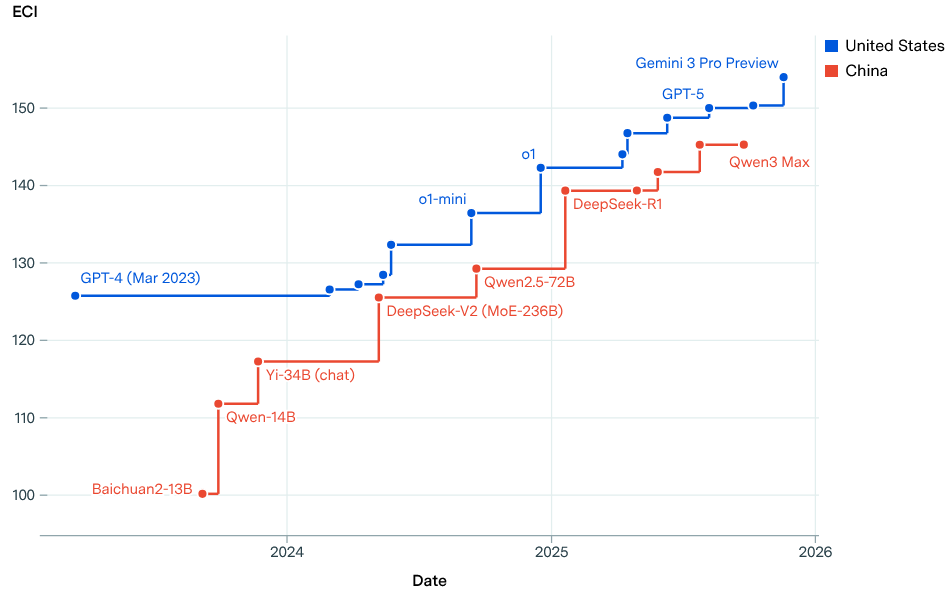
The landscape of artificial intelligence is rapidly evolving, with several nations vying for dominance in AI technology. Among these, the competition between China and the United States has intensified, particularly regarding the availability and use of Nvidia chips for AI models. The restrictions placed on these chips have created a significant divide in capabilities.
Countries leading the AI race include:
- The United States: Home to major tech companies and a hub for AI research, the U.S. continues to push boundaries with state-of-the-art Nvidia chips, fostering advancements in machine learning and data processing.
- China: Despite facing export bans, China has managed to develop powerful AI models by leveraging alternative technologies and resources. The country’s investment in AI infrastructure and talent has allowed it to remain competitive.
- European Union: The EU is focusing on ethical AI development, with initiatives aimed at promoting responsible use of technology. However, it lags behind in raw computational power, often reliant on external suppliers.
As countries navigate these technological challenges, the reliance on Nvidia chips for AI models highlights the geopolitical implications of AI advancements. The ongoing competition raises questions about the future landscape of artificial intelligence and its accessibility across different regions.
Nvidia chips AI models have dominated the market, but their approach may lead to unforeseen consequences. Critics argue that relying solely on Nvidia chips AI models could stifle innovation in the broader AI landscape.
Photo by Stas Knop on Pexels