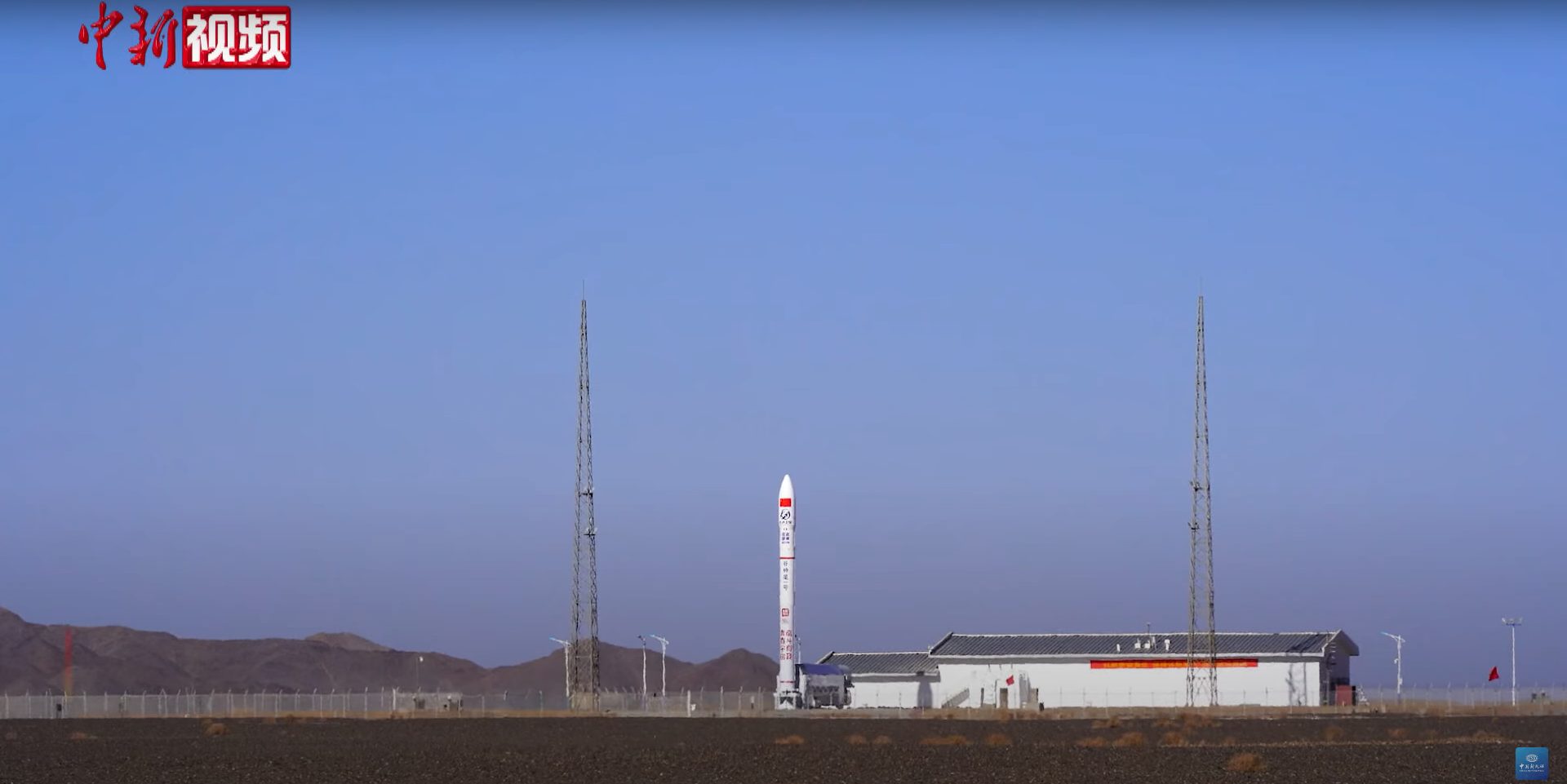
ISRO NVS-03 satellite launch has proven to be a major success for NavIC, enhancing India’s positioning capabilities. This launch represents a significant milestone in the country’s space endeavors.
Overview of the ISRO NVS-03 Satellite
The recent ISRO NVS-03 satellite launch marks a significant milestone for India’s navigation system, NavIC. This satellite, the third in the NVS series, is designed to enhance the accuracy and reliability of positioning services across the Indian region and beyond.
Launched successfully by the Indian Space Research Organisation (ISRO), the NVS-03 satellite is equipped with advanced technologies that improve its performance. It boasts a variety of features, including:
- Enhanced Signal Quality: The satellite provides better signal strength and consistency, ensuring users receive accurate location data.
- Improved Coverage: With its advanced orbit, the NVS-03 extends NavIC’s reach, allowing for more extensive service across different geographical areas.
- Multiple Frequency Bands: The satellite supports dual frequency operations, which are crucial for precision in navigation applications.
As part of ISRO’s ongoing efforts to bolster India’s space capabilities, the successful deployment of the NVS-03 satellite demonstrates the organization’s commitment to advancing navigation technologies, contributing to various sectors such as transportation, agriculture, and disaster management.
Significance of NavIC in Modern Navigation
The launch of the ISRO NVS-03 satellite marks a significant milestone for the Indian Regional Navigation Satellite System (NavIC), reinforcing its role in modern navigation. NavIC, developed by the Indian Space Research Organisation (ISRO), is designed to provide accurate position information services to users in India and the surrounding region.
With the increasing reliance on satellite navigation systems globally, the significance of NavIC cannot be overstated. It offers several key advantages:
- Accuracy: NavIC provides precise positioning services, which are critical for various applications, including mapping, transportation, and disaster management.
- Regional Coverage: Unlike global systems, NavIC focuses on India and its neighboring regions, ensuring that users in these areas receive reliable navigation support.
- Independence: The launch of the NVS-03 satellite enhances India’s self-reliance in navigation technology, reducing dependency on foreign satellite systems.
- Enhanced Services: With advanced features, NavIC can support a wide range of applications, from agriculture to urban planning and infrastructure development.
Overall, the ISRO NVS-03 satellite launch signifies a strong commitment to advancing India’s capabilities in navigation technology.
Key Features of the NVS-03 Satellite
The ISRO NVS-03 satellite comes equipped with several key features that enhance its performance and reliability in the field of navigation. This satellite is a significant addition to the Navigation with Indian Constellation (NavIC) system, which aims to provide accurate positioning services across India and the surrounding region.
- Advanced Technology: The NVS-03 features cutting-edge technology that improves its accuracy and resistance to interference, making it suitable for various applications, from personal navigation to critical defense operations.
- Enhanced Signal Quality: With improved signal strength and stability, the satellite ensures that users receive reliable data even in challenging environments, such as urban canyons or densely forested areas.
- Increased Lifespan: Designed for a longer operational life, the NVS-03 is expected to function effectively for over 12 years, providing sustained support to the NavIC system.
- Multi-frequency Capability: The satellite supports multiple frequency bands, enhancing its compatibility with various user devices and improving overall navigation performance.
These features collectively position the ISRO NVS-03 satellite as a vital component in the ongoing evolution of NavIC, ensuring that it meets the growing demands for navigation services in the region.
ISRO’s Journey in Space Exploration
The Indian Space Research Organisation (ISRO) has made remarkable strides in space exploration since its inception in 1969. With a vision to harness space technology for national development, ISRO has successfully launched numerous satellites that have transformed various sectors, including communication, weather forecasting, and disaster management.
One of the significant milestones in this journey is the recent ISRO NVS-03 satellite launch, which further strengthens India’s position in global navigation systems. The NavIC (Navigation with Indian Constellation) program, initiated by ISRO, aims to provide accurate positioning services to users in India and the surrounding region.
Over the years, ISRO has overcome numerous challenges, demonstrating resilience and innovation. The launch of the NVS-03 satellite is a testament to ISRO’s commitment to advancing indigenous satellite technology. It not only enhances the capabilities of the NavIC system but also showcases the agency’s expertise in developing and deploying sophisticated space systems.
As ISRO continues to expand its horizons, the successful deployment of the NVS-03 satellite marks another chapter in India’s ambitious quest for excellence in space exploration.
Impact of NVS-03 on Global Navigation Systems
The successful launch of the ISRO NVS-03 satellite marks a significant milestone in the quest for enhanced global navigation systems. As part of the Navigation with Indian Constellation (NavIC), this satellite is poised to elevate the accuracy and reliability of navigation services, not only in India but across the region.
The NVS-03 satellite is designed to provide precise positioning information and is expected to improve the overall performance of NavIC. Its advanced features, including better signal strength and coverage, will facilitate various applications such as maritime navigation, disaster management, and agricultural monitoring.
Moreover, the impact of NVS-03 extends beyond regional boundaries. With the growing demand for reliable navigation solutions globally, the advancements brought by this satellite position NavIC as a competitive alternative to other established systems like GPS and GLONASS. This launch emphasizes India’s commitment to contributing to global navigation technology and showcases ISRO’s capabilities in space exploration.
In summary, the ISRO NVS-03 satellite launch represents a robust step towards enhancing global navigation systems and reinforces the importance of NavIC in the international landscape.
Future Plans for NavIC and ISRO
The successful launch of the ISRO NVS-03 satellite marks a significant milestone for India’s navigation system, NavIC. Looking ahead, ISRO has ambitious plans to enhance the capabilities of NavIC further. These initiatives aim to improve the accuracy and reliability of positioning services, making NavIC more competitive on a global scale.
Future plans for NavIC include:
- Expansion of Satellite Constellation: ISRO intends to deploy additional satellites to strengthen the coverage and service area of NavIC, ensuring it remains robust and efficient.
- Integration with Other Systems: There are plans to integrate NavIC with global navigation systems, enhancing interoperability and providing more precise data to users worldwide.
- Advancements in Technology: ISRO aims to incorporate cutting-edge technologies in upcoming satellites to improve signal accuracy and reduce latency.
- Public Awareness Campaigns: To promote the use of NavIC, ISRO will launch initiatives to educate the public and industries about the benefits of using this homegrown navigation system.
With these strategic developments, ISRO is set to solidify NavIC’s position as a crucial player in the global navigation landscape.
Challenges Faced During the Launch
During the ISRO NVS-03 satellite launch, the Indian Space Research Organisation encountered several challenges that tested their expertise and resilience. Launching a satellite is a complex endeavor, and various factors can impact the success of the mission.
One significant challenge was ensuring the satellite’s systems functioned seamlessly during the launch sequence. The NVS-03 satellite had to withstand the intense vibrations and temperatures of the launch vehicle, which required extensive testing and validation prior to the event.
Additionally, the timing of the launch had to be meticulously calculated to align with optimal orbital positions. Any delays could have resulted in increased costs and potential mission failure. Factors such as weather conditions also played a crucial role, as poor weather can lead to postponements.
Another concern was the integration of new technologies within the NVS-03 satellite, designed to enhance the capabilities of NavIC. Implementing these advancements introduced complexities that needed careful management throughout the launch process.
Despite these challenges, ISRO’s successful launch of the NVS-03 satellite marks a significant milestone for India’s navigation system, NavIC, and showcases the organisation’s ability to overcome obstacles in space exploration.
Public Reaction to the Successful Launch
The successful launch of the ISRO NVS-03 satellite has prompted a wave of excitement and pride among the Indian public and space enthusiasts worldwide. Social media platforms have been abuzz with congratulatory messages directed at the Indian Space Research Organisation (ISRO) for its remarkable achievement in advancing the NavIC system.
Many users expressed their admiration for ISRO’s dedication and innovation, highlighting how the NVS-03 satellite launch not only strengthens India’s position in satellite navigation but also enhances the technology available to users across the nation. The enthusiasm is evident in various online forums where discussions revolve around the implications of this launch on both everyday navigation and strategic advancements in the sector.
In addition to social media, educational institutions have taken this opportunity to engage students in discussions about space technology and its relevance. Experts in the field have praised ISRO’s commitment to improving India’s technological infrastructure, stating that the NVS-03 will play a crucial role in ensuring accurate and reliable navigation services.
Overall, the public reaction reflects a deep sense of national pride and optimism for the future of India’s capabilities in space exploration.
The ISRO NVS-03 satellite launch marks a significant milestone in India’s navigation capabilities. With this successful deployment, the ISRO NVS-03 satellite launch reinforces the reliability of the NavIC system.