Cancer research in space is revolutionizing how we approach treatment. British scientists are embarking on a pioneering mission that promises to transform therapy for millions.
Overview of the Space Mission
In a groundbreaking initiative, British scientists have embarked on a pioneering mission to advance cancer research in space. This innovative project aims to explore the effects of microgravity on cancer cells, potentially leading to transformative treatment options for millions of patients worldwide.
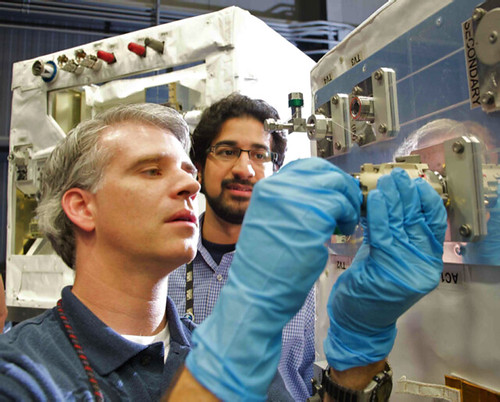
The mission involves a series of experiments conducted aboard the International Space Station (ISS), where researchers will observe how cancer cells behave in a unique environment free from Earth’s gravitational pull. Previous studies have suggested that microgravity can alter cell growth and response to therapies, making this research crucial for understanding cancer progression.
Key objectives of the mission include:
- Investigating how microgravity impacts cancer cell proliferation.
- Assessing the effectiveness of existing cancer treatments in space.
- Identifying potential new therapeutic targets that may arise in altered cellular environments.
As scientists gather data from these experiments, they hope to uncover insights that could lead to more effective cancer treatments. The findings from this mission could not only enhance our understanding of cancer biology but also pave the way for novel approaches in combating this devastating disease on Earth.
Importance of Cancer Research
The importance of cancer research in space cannot be overstated, as it presents unique opportunities to advance our understanding of this complex disease. Conducting experiments in microgravity allows scientists to observe cellular behaviors and interactions that cannot be replicated on Earth. This novel environment can lead to groundbreaking discoveries that could significantly enhance treatment methods.
One crucial aspect of this research is the ability to study how cancer cells respond to various therapies in a microgravity setting. Traditional methods often fail to account for the intricate dynamics of cellular growth and resistance, but space research provides a more accurate platform for testing new drugs and treatment strategies.
Moreover, the findings from cancer research in space may have broader implications beyond just oncology. The insights gained can contribute to a better understanding of cell biology, potentially leading to advancements in other areas of medicine. As British scientists embark on this pioneering mission, their work could transform treatment for millions of patients worldwide.
In summary, the exploration of cancer research in space is not merely an academic pursuit but a vital step towards improving patient outcomes and revolutionizing how we combat this disease.
How Space Conditions Affect Research
The unique conditions of space provide a remarkable environment for scientific research, particularly in the field of cancer research in space. Microgravity, radiation exposure, and other factors present in the orbital environment can significantly influence biological processes.
One major effect of microgravity is the alteration of cellular behavior. In space, cells can grow and behave differently than they do on Earth. This change can lead to new insights into how cancer cells interact with their surroundings, potentially revealing novel treatment approaches. Scientists have observed that the lack of gravitational pull impacts gene expression and cell signaling pathways, which are crucial in understanding cancer development.
Additionally, the radiation environment in space offers a unique opportunity to study its effects on cancer cells. Researchers can simulate various radiation levels and analyze how cancerous cells respond, providing valuable data for developing effective therapies.
Moreover, the controlled environment of the International Space Station allows for precise experiments that are often impossible to conduct on Earth. For example, scientists can test new drug compounds and their efficacy against cancer cells in a way that mimics the human body’s response.
Overall, leveraging the distinct conditions of space holds great promise for advancing cancer research, paving the way for groundbreaking treatment options.
British Scientists Leading the Charge
British scientists are at the forefront of innovative cancer research in space, embarking on a groundbreaking mission that aims to revolutionize treatment options for millions worldwide. This pioneering effort, supported by leading research institutions, seeks to leverage the unique conditions found in space to explore new avenues for combating cancer.
The mission involves a series of experiments conducted aboard the International Space Station (ISS), where microgravity and cosmic radiation provide an extraordinary environment for scientific inquiry. By studying cancer cells in this setting, researchers hope to identify how these cells behave differently in space compared to Earth. This could lead to valuable insights into their growth and resistance to current treatments.
Key objectives of the mission include:
- Investigating cellular responses: Understanding how cancer cells adapt and evolve in microgravity.
- Testing drug efficacy: Evaluating the effectiveness of existing treatments in space conditions.
- Developing new therapies: Exploring potential breakthroughs that could emerge from zero-gravity environments.
This ambitious initiative not only enhances our understanding of cancer but also exemplifies the vital role of international collaboration in advancing scientific knowledge. As British scientists lead the charge, the future of cancer research in space holds great promise for innovation in treatment strategies.
Potential Impact on Cancer Treatment
The innovative approach of conducting cancer research in space holds significant promise for revolutionizing treatment options. By utilizing the unique conditions of microgravity, scientists can observe cellular behaviors and disease mechanisms that remain elusive on Earth. This research aims to uncover new insights into how cancer cells grow and respond to therapies.
One of the most critical aspects of this research is its potential to enhance drug efficacy. In space, researchers can study the interactions between cancer cells and various treatment compounds with unprecedented precision. The absence of gravitational forces allows for a more detailed examination of molecular dynamics, leading to breakthroughs that could improve the effectiveness of existing medications.
Moreover, findings from these experiments could lead to the development of novel therapeutic strategies that specifically target cancer cells while minimizing damage to healthy tissues. As scientists analyze the data collected from these space missions, they hope to identify biomarkers that can predict responses to treatments, allowing for more personalized care.
Ultimately, the impact of cancer research in space could extend far beyond the confines of the laboratory. It may pave the way for new clinical practices that improve survival rates and quality of life for millions affected by cancer worldwide.
Future of Medical Research in Space
The future of medical research in space holds immense promise, particularly in the field of cancer research in space. As scientists continue to explore the unique microgravity conditions of space, new opportunities for breakthroughs in treatment are emerging.
One of the most significant aspects of conducting research in space is the ability to observe biological processes in ways that are not possible on Earth. The absence of gravity allows researchers to isolate molecular interactions and observe how cancer cells respond to various treatments under these conditions. This could lead to the development of more effective therapies.
Moreover, advancements in space technology also facilitate the integration of cutting-edge techniques, such as gene editing and targeted drug delivery systems. These innovations could revolutionize how we approach cancer treatment, providing tailored solutions that directly target cancer cells while minimizing harm to surrounding healthy tissue.
As international collaborations increase and funding for space missions grows, the potential for extensive research initiatives will expand. The insights gained from these studies may not only enhance our understanding of cancer biology but also inspire new paradigms in treatment approaches that could benefit millions of patients worldwide.
In summary, the intersection of space exploration and cancer research represents a frontier that could transform the future of medical science.
Challenges Faced by Researchers
The journey of cancer research in space is fraught with several challenges that researchers must navigate to achieve their goals. Firstly, the unique microgravity environment presents significant obstacles for conducting experiments. Without the effects of gravity, biological processes can behave unpredictably, complicating the interpretation of results.
Additionally, the logistics of sending equipment and materials to space require meticulous planning and considerable resources. Researchers must ensure that all tools are capable of functioning in a confined and fluctuating atmosphere. This not only increases costs but also limits the scope of experiments that can be conducted during missions.
Another challenge is the limited time available for experiments aboard the International Space Station (ISS). Each mission is carefully timed, and researchers often have only a short window to gather data before returning to Earth. This time constraint can hinder the depth of research, as scientists may not be able to conduct comprehensive studies.
Lastly, the health and safety of astronauts is paramount. Any research involving human subjects must prioritize their well-being, which can restrict the types of experiments that can be carried out. Despite these challenges, the potential breakthroughs in cancer research in space make these efforts worthwhile, as scientists strive to unlock new methods for treatment.
Public Support for Space Research
Public support for space research has surged in recent years, particularly as new initiatives like cancer research in space gain visibility. This shift is largely attributed to the growing awareness of how space exploration can significantly contribute to advancements in health and medicine.
Recent surveys indicate that a majority of the population recognizes the value of investing in space-related scientific endeavors. Many people believe that the insights gained from studying the unique conditions of space can lead to breakthroughs not only in cancer treatment but also in various other medical fields.
Key factors contributing to this support include:
- Increased Awareness: Media coverage of successful space missions has highlighted the potential benefits of research conducted beyond Earth.
- Community Engagement: Educational programs and public outreach initiatives have effectively communicated the significance of space research.
- Collaborative Efforts: Partnerships between government agencies, private companies, and academic institutions have fostered a sense of collective purpose.
As public enthusiasm continues to grow, funding for initiatives focused on cancer research in space is expected to increase, paving the way for groundbreaking discoveries that could transform treatment for millions suffering from this disease.
Recent studies have shown that cancer research in space can lead to innovative treatment methods that are not possible on Earth. By utilizing the unique conditions of microgravity, scientists are advancing our understanding of how to combat cancer more effectively through cancer research in space.
By USDAgov via Openverse
References
Related stories
Elections Amendment Bill: What is the Right Change for 2027? · OnePlus 15 Update: Best New AI Features and Proven Performance · Oppo Find X9 Ultra price drop: A Smart Deal