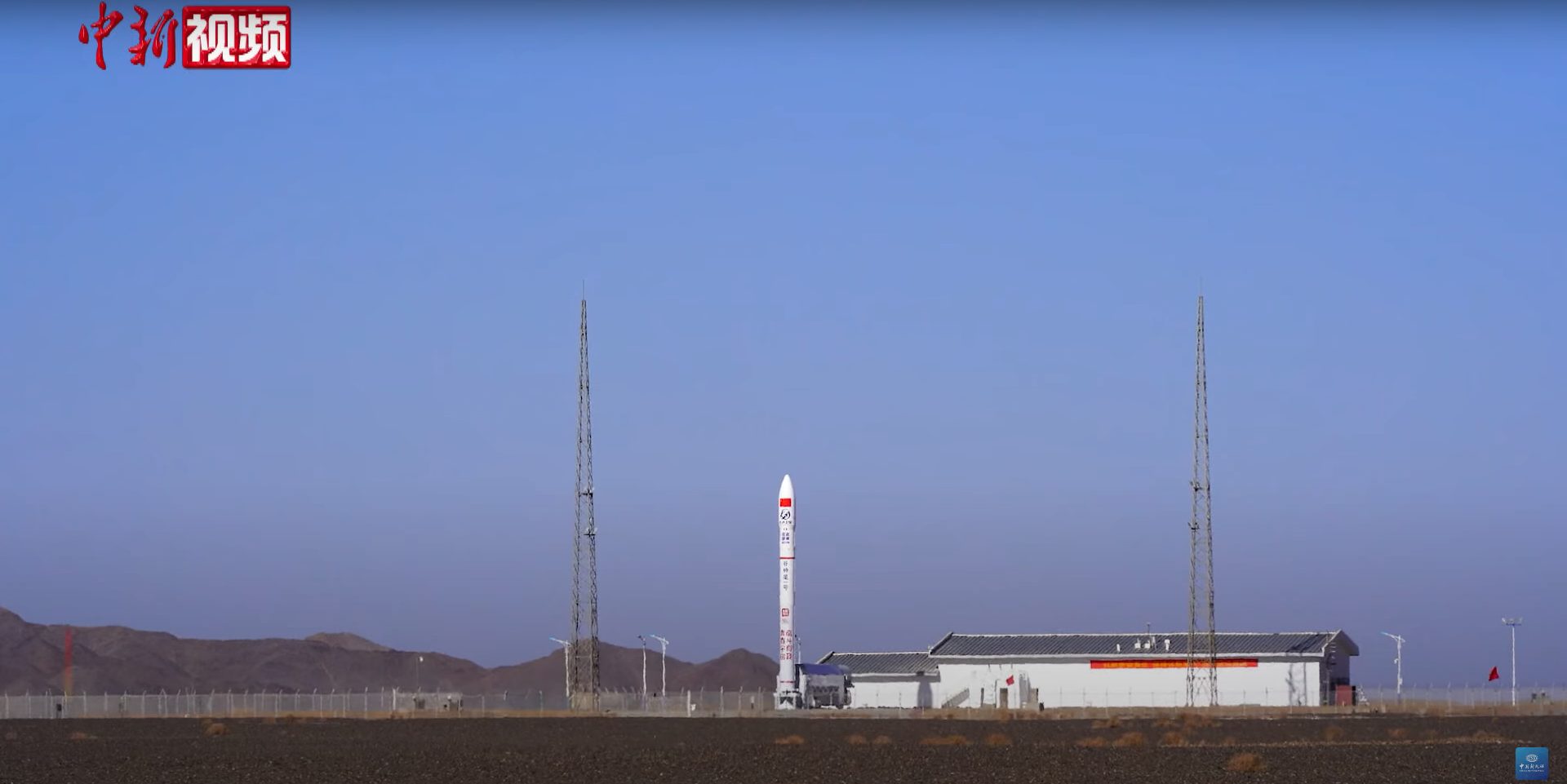
India GPS boost is crucial as ISRO successfully launched NVS-03, enhancing the nation’s navigation capabilities with homegrown technology.
What is NVS-03?
The NVS-03, or Navigation with Indian Constellation (NavIC) satellite, is a significant advancement in India’s navigation capabilities. Launched by the Indian Space Research Organisation (ISRO), this satellite is part of a broader initiative to enhance the accuracy and reliability of positioning services in the region. The NVS-03 is designed to provide precise location information, which is critical for various applications including transportation, disaster management, and agriculture.
One of the primary goals of the NVS-03 is to strengthen India’s homegrown navigation system, ensuring that the country is less reliant on foreign GPS systems. This satellite is equipped with advanced atomic clocks that improve the overall performance and efficiency of the navigation signals. Furthermore, the NVS-03 is capable of offering services to users across India and surrounding regions, extending its reach and utility.
The successful launch of NVS-03 marks a significant milestone in India’s quest for a robust navigation infrastructure. With the addition of this satellite, experts believe that the overall accuracy of positioning services will see considerable improvement, contributing to the ongoing India GPS boost and reinforcing the nation’s position in the global space landscape.
The significance of ISRO’s launch
The recent launch of ISRO’s NVS-03 satellite marks a significant milestone in India’s ongoing efforts to enhance its navigation capabilities. This event is more than just a technical achievement; it represents a crucial step toward reducing reliance on foreign navigation systems and improving the country’s overall autonomous navigation infrastructure.
With the deployment of the NVS-03, India is poised to experience a variety of benefits:
- Enhanced Accuracy: NVS-03 is designed to provide precise location data, leading to improved navigation for both civilian and military applications.
- Increased Reliability: The satellite contributes to a more robust navigation framework, ensuring that users have access to reliable location services even in challenging environments.
- Support for Emerging Technologies: The enhanced navigation capabilities will support the growth of various sectors, including autonomous vehicles and drone technology.
- Strategic Independence: By developing a homegrown GPS alternative, India strengthens its strategic autonomy in navigation and positioning.
Overall, the India GPS boost signifies a forward momentum in technological self-reliance, promising to elevate the nation’s position in the global navigation landscape.
How NVS-03 enhances navigation
The launch of NVS-03 marks a significant advancement in India’s navigation capabilities, providing crucial enhancements to the nation’s GPS infrastructure. This satellite is part of the Navigation with Indian Constellation (NavIC) system, which aims to deliver accurate positioning services across India and the surrounding region.
One of the primary benefits of the NVS-03 satellite is its ability to improve signal accuracy. Users can expect enhanced precision in location services, which is vital for various applications including transportation, agriculture, and disaster management. Furthermore, the satellite supports both civilian and military navigation, ensuring that India has a robust navigation system that is secure and reliable.
In addition to improved accuracy, NVS-03 introduces advanced features such as enhanced signal strength and better coverage in challenging terrains. As a result, users in remote and urban areas alike will experience fewer disruptions in service.
Moreover, this launch represents a crucial step toward achieving independence in satellite navigation, reducing reliance on foreign systems. With the NVS-03, India GPS boost is not just a technological upgrade but a strategic move towards self-sufficiency in navigation technology.
Future of GPS in India
The future of GPS in India looks promising with the successful launch of ISRO’s NVS-03 satellite, which marks a significant milestone in the country’s navigation capabilities. As India continues to enhance its homegrown navigation systems, the India GPS boost is set to revolutionize various sectors, including transportation, agriculture, and disaster management.
With the increased accuracy and reliability of the NVS-03, users can expect more precise positioning services, which are crucial for applications such as autonomous vehicles and smart city initiatives. The satellite’s advanced technology not only strengthens India’s self-reliance in navigation but also reduces dependence on foreign systems.
Moreover, enhanced GPS services will benefit a wider audience, from everyday drivers to businesses relying on logistics and supply chain management. As the nation embraces digital transformation, the integration of improved GPS capabilities will play a vital role in driving economic growth.
Looking ahead, ISRO plans to expand the NVS series, which will further enhance the robustness of India’s navigation framework. With ongoing advancements, the future of GPS in India is bright, paving the way for innovative applications and services that cater to the needs of a rapidly evolving society.
Comparing NVS-03 with global systems
The launch of NVS-03 marks a significant advancement in India’s GPS capabilities, positioning it alongside global navigation systems. While traditional GPS systems like the United States’ NAVSTAR and Russia’s GLONASS have dominated the landscape, India’s indigenous system offers unique advantages.
One of the notable features of the NVS-03 is its ability to deliver better accuracy and reliability compared to some existing global systems. Here are some comparisons:
- Accuracy: NVS-03 is designed to provide centimeter-level accuracy, which is critical for applications in agriculture and urban planning.
- Coverage: The Indian Regional Navigation Satellite System (IRNSS), of which NVS-03 is a part, offers extensive coverage over the Indian subcontinent and surrounding regions.
- Resilience: The system is built to withstand disruptions, ensuring that critical services remain operational even in adverse conditions.
- Cost-effectiveness: Utilizing ISRO’s homegrown technology, NVS-03 reduces dependency on foreign systems and lowers operational costs.
By investing in its own GPS technology, India enhances its strategic autonomy and boosts its navigation capabilities, marking a significant milestone in the country’s technological journey.
Public response to the launch
The launch of ISRO’s NVS-03 satellite has garnered widespread enthusiasm from the public and experts alike, marking a significant milestone in India’s GPS capabilities. Many citizens took to social media to express their support and excitement, highlighting the importance of having a reliable homegrown navigation system. Users praised the advancements in technology that NVS-03 brings, emphasizing its potential to improve everyday navigation experiences.
Experts in the field of satellite technology have lauded the initiative, stating that this launch is a vital step towards reducing India’s dependency on foreign GPS systems. Public sentiment reflects a growing awareness of the strategic advantages provided by a robust, indigenous GPS framework.
In addition to enhancing navigation accuracy, there is a belief that the NVS-03 will foster innovation across various sectors, including transportation, agriculture, and disaster management. Many citizens expressed their hopes that with the India GPS boost, the nation will experience improved economic growth and technological independence.
- Enhanced accuracy in navigation services
- Strengthened national security through homegrown technology
- Increased interest in satellite technology among the youth
The overall response underscores the optimism surrounding ISRO’s achievements and their impact on everyday life in India.
The recent launch of ISRO’s NVS-03 has significantly contributed to the India GPS boost, enhancing navigation accuracy across the nation. As a result, the India GPS boost is expected to improve various sectors, including transportation and agriculture.
By bikashdas via Openverse