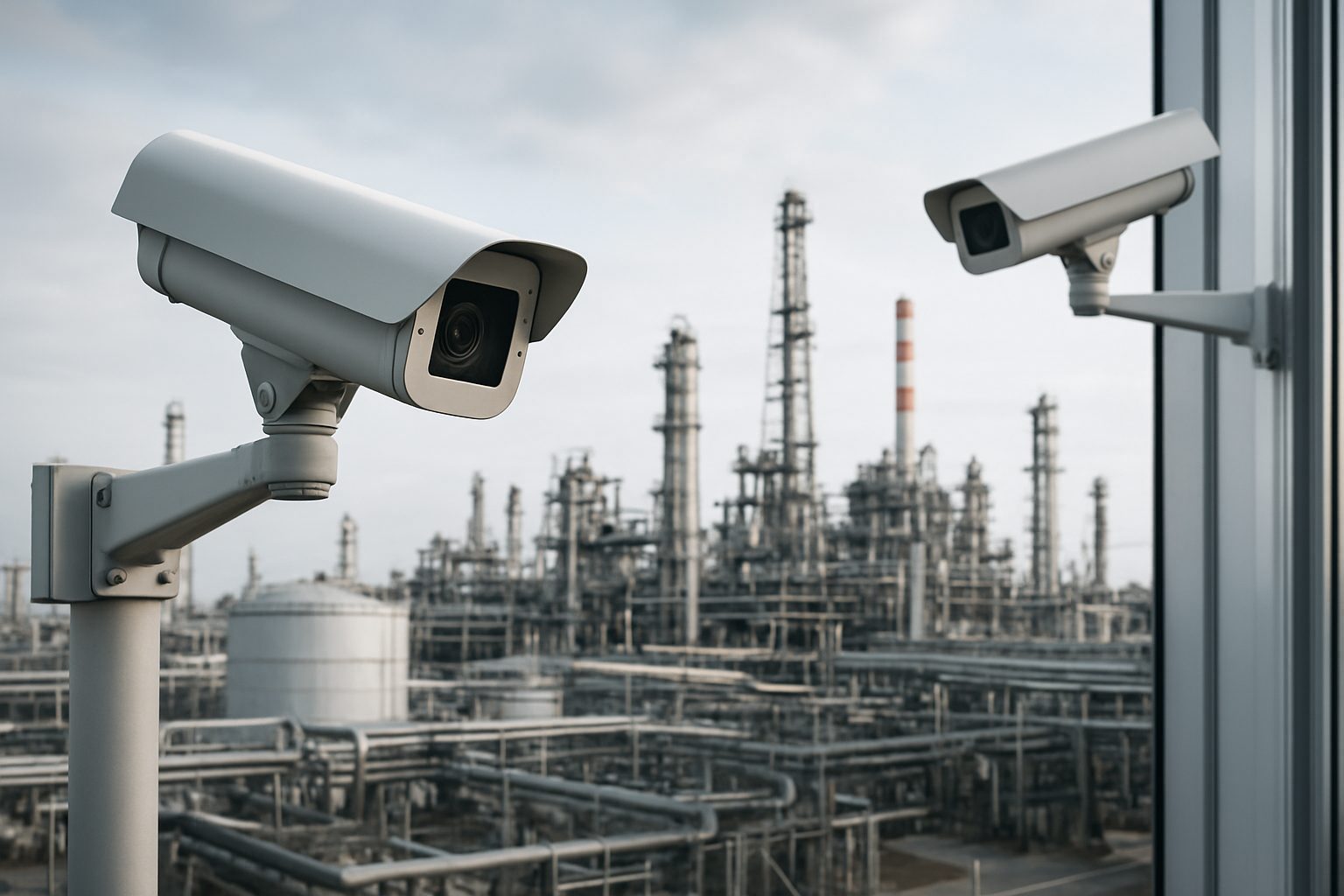
Industrial facilities and complex sites present challenges that standard setups rarely solve. Multiple entry points, shift changes, outdoor equipment, and restricted zones all demand a more thoughtful approach. Business owners searching for security systems near me often discover that generic providers can’t address these layered needs. Choosing the right partner means asking the right questions upfront, long before any equipment gets installed.
This FAQ-style guide walks through what matters most when evaluating a provider for industrial or multi-site protection.
What should a provider assess before recommending a system?
A qualified provider starts with a walkthrough, not a sales pitch. They should review your property’s layout, existing equipment, restricted areas, dock zones, and traffic patterns before suggesting anything. This planning phase matters because industrial sites rarely fit a one-size-fits-all template. A warehouse with overnight shifts has different vulnerabilities than an outdoor construction site with shifting equipment locations. Ask potential providers how they structure this assessment phase and what they look for when mapping out risk areas.
How important is integration between cameras, access control, and alarms?
Very important. Disconnected systems create blind spots and slow response times. When cameras, access control, and alarm systems work together, security teams gain a fuller picture of what’s happening on-site. Verified alarms paired with visual context give monitoring teams better information to act on, rather than forcing someone to interpret an alert with no supporting footage. A strong provider designs these components to communicate with one another from the start, rather than bolting on separate tools over time.
What does effective monitoring actually look like for large or multi-location sites?
Effective monitoring goes beyond simply receiving alerts. It involves visual context so responders understand what triggered an event, reliable routing so the right person gets notified, and a dependable communication path that doesn’t rely solely on one connection type. For businesses managing more than one location, the ability to check cameras, alarm status, and access activity from a single place—without switching between accounts—saves time and reduces confusion during an active situation. If your operation spans multiple sites, ask whether the provider offers centralized visibility across all of them.
Why does ongoing support matter after installation?
Installation is only the beginning. Equipment ages, business needs shift, and existing systems sometimes need repair or modernization rather than full replacement. A dependable provider offers maintenance options that fit your plan and provides support when something breaks or needs updating. Before signing an agreement, ask how service requests are handled, what response times look like, and whether the provider can take over and improve equipment you already have in place.
What makes outdoor and changing sites different from fixed facilities?
Construction sites, yards, and other outdoor environments change constantly. Equipment moves, crews rotate, and perimeters aren’t always fixed in the same way a building’s walls are. Protecting these areas requires tools built for flexibility, such as mobile surveillance options that can relocate as the site evolves. When evaluating a provider, ask directly whether they have experience securing outdoor or temporary locations, not just stationary buildings.
How should a business compare local providers?
Start by looking at the provider’s track record with similar properties. A company that regularly works with warehouses, logistics operations, and industrial facilities will understand the operational rhythm of these environments better than one focused mainly on residential work. Customer reviews and references from similar businesses can reveal how a provider handles communication, follow-through, and problem-solving once a system is live. It’s also worth confirming that the provider actually services your region, since coverage areas and project types vary by jurisdiction.
What’s the best first step for a business ready to move forward?
Request a site assessment. A provider willing to walk your property, discuss your existing setup, and propose a plan tailored to your layout is demonstrating the kind of attention industrial sites require. This conversation should clarify design, integration, monitoring, and support options before any commitment is made, giving you a clear picture of what working together would actually look like.
Choosing a security partner for an industrial or complex site isn’t about finding the lowest quote. It’s about finding a team that understands how your property operates day to day and can design protection that keeps pace with it.
Key Points
- Choosing the right security partner for industrial facilities requires a thorough assessment of the site’s unique layout and risks.
- Effective integration between cameras, access control, and alarm systems is crucial to avoid blind spots and enhance response times.
- For businesses with multiple locations, centralized visibility across all sites can streamline monitoring and reduce confusion during incidents.
- Ongoing support and maintenance options from security providers are essential as equipment ages and business needs shift.
- Outdoor and changing sites, like construction zones, require flexible security solutions due to the constant movement of equipment and personnel.
- When comparing local security providers, it’s important to evaluate their experience with similar industrial environments and check customer reviews.