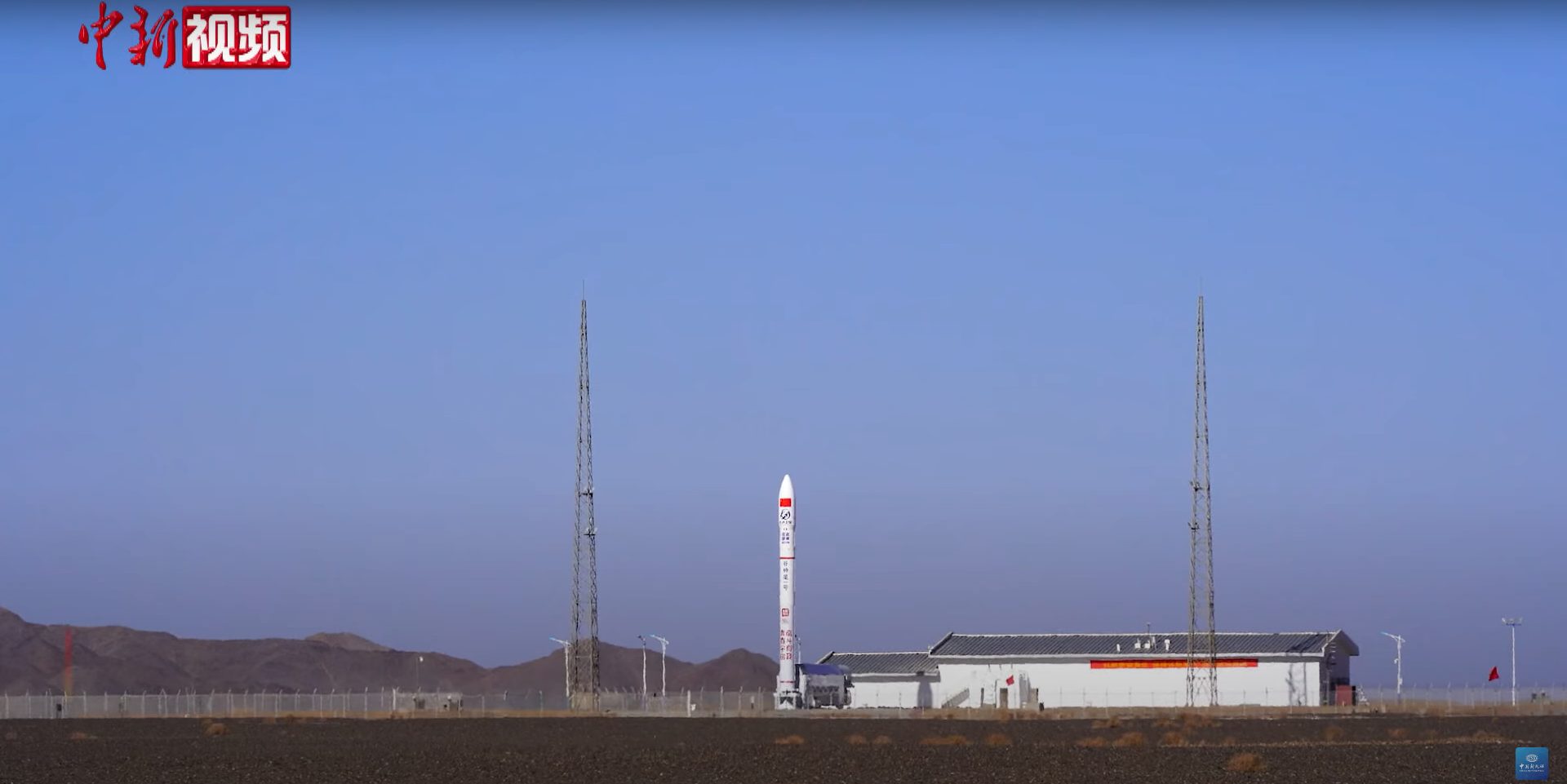
The China CERES-1 rocket has made headlines by successfully launching a new satellite from the sea. This achievement highlights China’s growing prowess in space technology and satellite deployment.
Overview of the CERES-1 Rocket
The CERES-1 rocket represents a significant advancement in China’s space launch capabilities. Recently, it successfully deployed a new satellite from a sea-based platform, showcasing its versatility and innovation. This launch method is part of China’s broader strategy to enhance its space exploration efforts.
Developed by the China Rocket Company, the CERES-1 is a small, solid-fueled rocket designed to meet the growing demand for satellite launches. Its compact size allows for quick deployment and versatility in various launch scenarios.
Key features of the CERES-1 rocket include:
- Rapid launch capability: Designed for quick turnaround times.
- Cost-effective solutions: Provides an affordable option for satellite deployment.
- Enhanced reliability: Built with advanced technology to ensure successful missions.
As global competition in space intensifies, the CERES-1 rocket positions China as a formidable player in the satellite launch market.
Significance of Sea Launches
The significance of sea launches has grown in recent years, particularly with advancements like China’s CERES-1 rocket. This method offers several advantages over traditional land launches.
Firstly, launching from the sea allows for greater flexibility in trajectory, minimizing risk to populated areas. Additionally, it provides the capability to deploy satellites into orbits that may not be achievable from land-based sites.
Furthermore, sea launches can reduce logistical challenges associated with transporting large rockets to launch sites. They can be conducted from specialized ships that are equipped to handle the complexities of rocket technology.
As China continues to innovate in space technology, the CERES-1 rocket exemplifies the potential of sea launches to enhance satellite deployment capabilities. With its relatively lower cost and increased versatility, the CERES-1 may become a preferred option for both domestic and international clients.
- Greater flexibility in launch trajectories
- Reduced risk to populated areas
- Logistical advantages in rocket transport
Recent Satellite Launch Details
In a significant advancement for space exploration, China’s CERES-1 rocket successfully launched a new satellite from a sea platform earlier this month. This innovative approach to satellite deployment marks a notable shift in China’s launch capabilities, allowing for greater flexibility and efficiency in reaching orbit.
The recent launch was part of a series of missions aimed at enhancing China’s satellite network, which plays a critical role in communication, navigation, and Earth observation. The CERES-1 rocket, designed to support multiple payloads, has proven its reliability through this operation.
Key details of the launch include:
- Date: October 3, 2023
- Launch Site: Offshore sea platform
- Payload: A state-of-the-art satellite equipped with advanced imaging technology
This successful mission positions the CERES-1 rocket as a competitive option in the global launch market, showcasing China’s growing expertise in space technology.
China’s Advancements in Space
China has made significant strides in its space exploration efforts, particularly with the development of the CERES-1 rocket. This new vehicle not only showcases advanced technology but also highlights China’s commitment to expanding its capabilities in the aerospace sector. The launch of the CERES-1 rocket from sea platforms is a groundbreaking achievement, allowing for greater flexibility and efficiency in satellite deployment.
In recent missions, the CERES-1 has successfully delivered multiple payloads into orbit, demonstrating its reliability and performance. This rocket utilizes a unique combination of solid and liquid propellants, which contributes to its competitive edge in the launch market.
Moreover, China’s advancements in space have attracted global attention, as they continue to foster partnerships and collaborations with other nations. With the growing demand for satellite launches, the CERES-1 rocket presents an attractive option for both domestic and international clients seeking reliable launch services.
As the space race evolves, China’s innovations are poised to redefine the landscape of satellite deployment.
Future of Rocket Technology in China
The CERES-1 rocket represents a significant leap in China’s ambitions for space exploration and satellite deployment. As the nation continues to refine its rocket technology, the future looks promising with the integration of innovative designs and enhanced capabilities. This evolution is not just limited to the CERES-1 but reflects a broader trend in China’s aerospace sector.
Several factors contribute to this optimistic outlook:
- Increased investment: The Chinese government is pouring resources into research and development, resulting in cutting-edge technology.
- Public-private partnerships: Collaborations between state-owned enterprises and private sectors are fostering innovation.
- International collaborations: China is seeking partnerships with other nations to leverage shared expertise in rocket technology.
As the space race intensifies, the CERES-1 rocket positions China as a formidable player in the global launch market, paving the way for more ambitious missions in the years to come.
The China CERES-1 rocket has garnered attention for its innovative design and competitive pricing. As the space industry evolves, the China CERES-1 rocket may emerge as a leading option for satellite launches in the coming years.
By China News Service via Openverse
References
Related reading
Oppo Find X10 Pro Max: The Best Phone with Proven Power · Keykruncher gameplay trailer: Best look at Critical Reflex Time · Is Torres Game Bill the Worst Move for AI Business?